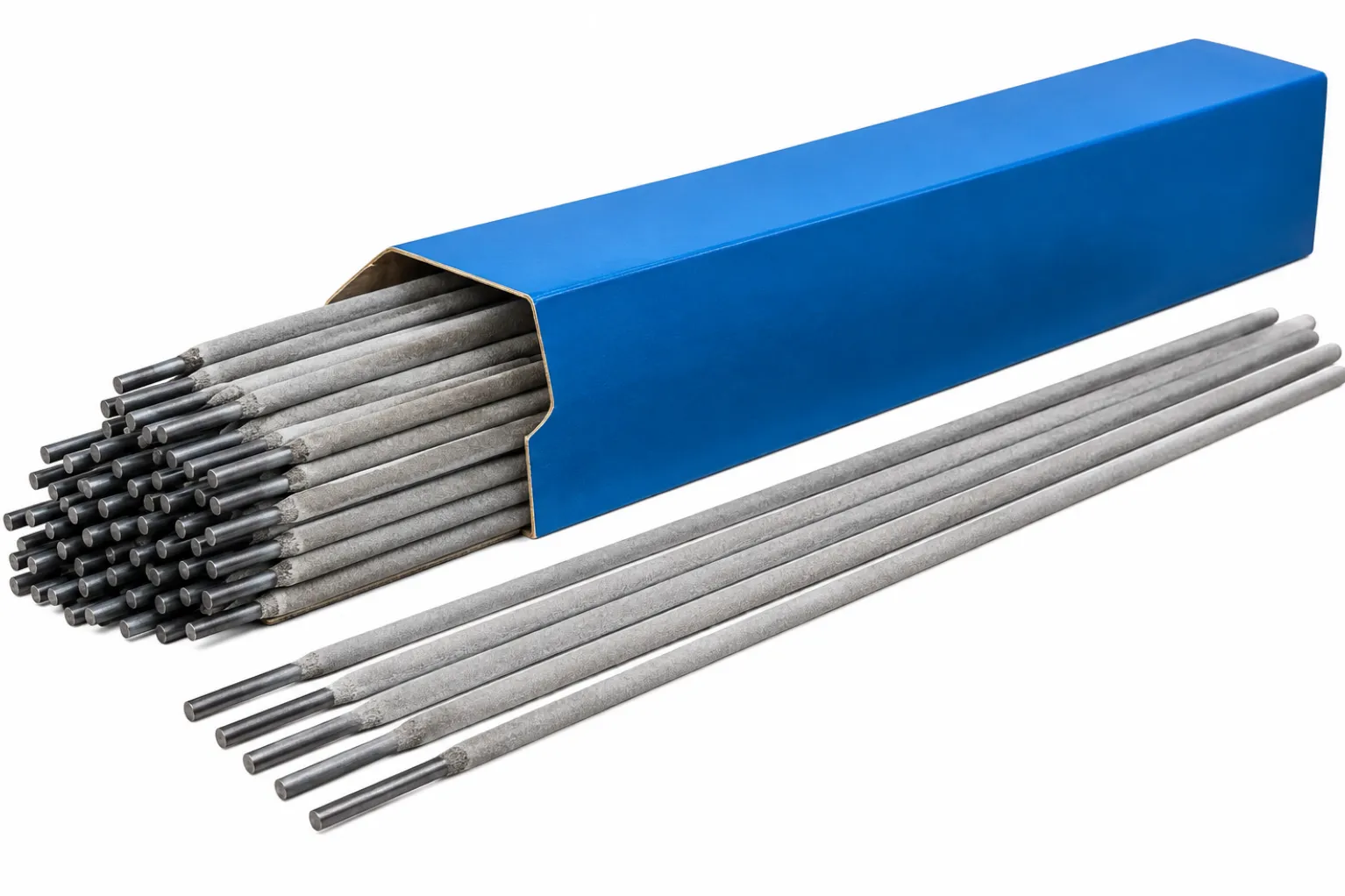
Welding electrodes directly influence the welding process, yet purchasing decisions are sometimes reduced to electrode diameter and price. In practice, electrode classification, base material, joint design, welding position, power source, storage, and procedure requirements can all matter. Choosing an experienced Welding Electrodes Dealer therefore requires a specification-based approach.
Fabrication units and engineering businesses in Chinchwad, Maharashtra, frequently handle varied welding jobs, making accurate electrode selection important for both routine production and maintenance work.
Start With the Welding Requirement
Before ordering electrodes, identify the base material and applicable welding procedure.
Different electrode classifications are intended for different applications and operating characteristics. Procurement teams should therefore avoid treating electrodes of similar diameter as interchangeable.
Relevant information can include:
- Base metal
- Material thickness
- Joint configuration
- Welding position
- Current type
- Welding machine characteristics
- Required electrode classification
- Applicable welding procedure
- Storage requirements
Where a qualified welding procedure applies, electrode selection should follow that procedure.
Check Classification Carefully
Electrode classification provides important information about intended characteristics and usability.
Rather than relying on informal descriptions such as general-purpose welding rod, buyers should communicate the required classification specified by the welding procedure, engineering team, or applicable technical requirement.
This reduces ambiguity during procurement.
Storage Conditions Deserve Attention
Some welding consumables require controlled storage and handling to preserve their intended characteristics. Requirements vary according to electrode type and manufacturer guidance.
Fabrication units should follow the manufacturer's recommendations regarding packaging, storage, exposure, reconditioning where permitted, and handling.
Purchasing suitable electrodes but storing them incorrectly can undermine a carefully controlled welding process.
Evaluate Consumption Patterns
Businesses with recurring welding requirements can improve procurement by reviewing historical consumption.
Frequently used classifications and sizes can be identified, while specialised electrodes can be purchased according to planned jobs. This approach helps procurement teams balance availability with sensible inventory management.
Rahul Industrial Products supplies welding-related industrial products to engineering and manufacturing customers. Providing the exact electrode classification and application details helps the provider respond to the requirement more accurately.
Coordinate Procurement With Welding Teams
Purchasing departments should avoid selecting welding consumables independently when technical requirements are unclear.
Welding supervisors, engineers, quality teams, and procurement personnel can coordinate on approved classifications and specifications. Creating an internal list of commonly used electrodes can also reduce ordering errors.
Look for More Than Immediate Availability
A dependable dealer should be able to understand the requested classification, provide relevant product information, and support recurring industrial requirements.
Price remains an important commercial factor, but it should be evaluated after technical suitability has been established.
For fabrication businesses, welding consumables form part of the overall welding procedure rather than being generic workshop supplies. Selecting electrodes according to defined specifications, storing them appropriately, and sourcing them through a dealer familiar with industrial requirements can support a more organised and consistent welding operation.
Keywords