A cutting torch alone does not make a dependable fabrication setup: the result depends on the fuel process, matched tips, gas-specific regulators, flashback protection, hose assemblies and cylinder controls. By the end, you will be able to compare oxy-acetylene, oxygen-LPG and plasma, specify a complete equipment package, and check whether the delivered products are safe and compatible.
Key takeaways
- Select oxy-fuel for carbon steel, not stainless steel or aluminium.
- Buy hoses, flashback arrestors, regulators, tips and spares with the torch.
- Match every tip, regulator and connection to the specified fuel gas.
- Inspect seals, hoses, cylinders and ventilation before lighting the torch.
Choose the cutting process before you choose the equipment
Start with the material and production target, then select the cutting process. Oxy-fuel cuts carbon steel by oxidising the heated metal, so it is not a universal choice for stainless steel, aluminium or other non-ferrous conductive materials.
| Process | Material and plate thickness | Speed, edge and workshop conditions |
|---|---|---|
| Oxygen-acetylene cutting | Carbon-steel plate across a broad thickness range; confirm the tip chart rather than relying on torch maximum thickness | Portable and effective for repair work, but slower and more costly per cut than LPG at larger plate sizes |
| Oxygen-LPG cutting | Carbon steel, especially medium and thick plate | Lower fuel cost and suitable for fabrication yards, but it needs longer preheat and correct LPG tips |
| Plasma cutting | Stainless steel, aluminium and carbon steel within the machine’s rated thickness | Fast, clean and suitable for profiles; requires electrical power, compressed air or gas, and control of fumes and noise |
Your plate thickness comparison must use production figures, not the advertised severance limit. Ask for pierce thickness, clean-cut thickness, cutting speed, oxygen pressure and fuel flow for the exact material and thickness.
Before accepting a quotation, check:
- Tip design matches the fuel gas and plate thickness; acetylene, LPG and natural-gas tips have different preheat and flow requirements.
- Plasma capacity includes duty cycle and available power supply, not just maximum thickness.
- Workshop conditions support cylinder handling, ventilation, electrical supply and the required cutting area.
Build a complete gas-cutting setup, not a torch-only purchase
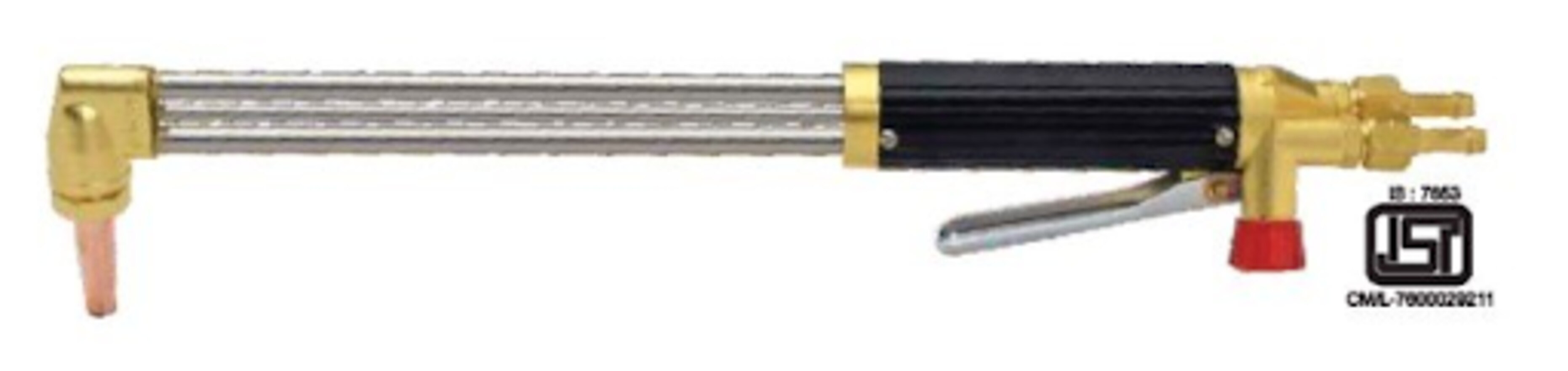
A safe setup runs from secured cylinders to the workpiece, not from a cutting torch alone. Buy the torch body, cutting attachment and tips as a matched product family; mismatched gas passages, seats or flow ratings can cause leaks, flashback or unstable flames.
Include these components in the purchase:
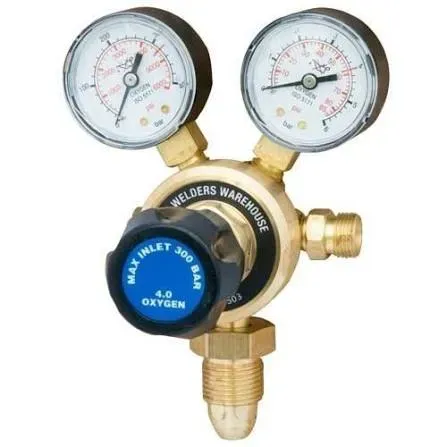
- Oxygen and fuel-gas regulators rated for the selected gases and pressures
- Flashback arrestors and non-return valves at the torch or hose connections
- Correct hoses, hose connectors, clamps and cylinder connections
- Tips or nozzles matched to fuel gas and plate thickness, not just thread size
- Chains, racks or other restraints for upright cylinders
- An approved leak-detection solution and a documented inspection kit
Keep every oxygen regulator, hose, fitting, cylinder connection and torch passage free from oil and grease. Do not use petroleum-based leak fluid or lubricants. After assembly and every cylinder change, test connections; isolate and repair any pressure drop or visible bubbles. Never use a flame to find a leak.
Cylinder-mounted regulators suit one station, while a manifold and line-regulator system suit multiple operators only when sized for simultaneous peak flow and line-pressure loss.
| Arrangement | Best fit | Purchasing check |
|---|---|---|
| Cylinder regulator | One cutting station | Confirm regulator flow at peak demand |
| Manifold and line regulators | Several stations | Size for concurrent torch use and distant-line pressure drop |
The blowpipe cutter vs straight torch choice depends on access and workpiece shape: use a blowpipe cutter for integrated plate cutting, and a torch body with cutting attachment for profile or confined repair work.
Store oxygen cylinders 20 feet from fuel gas or combustibles, or use a noncombustible barrier at least 5 feet high with a 30-minute fire rating.
Match tips, regulators and connections to the gas service
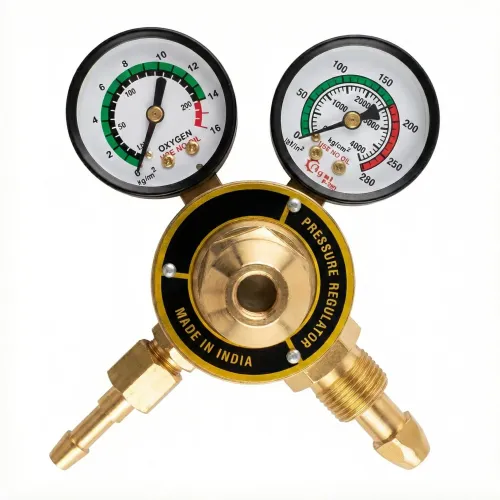
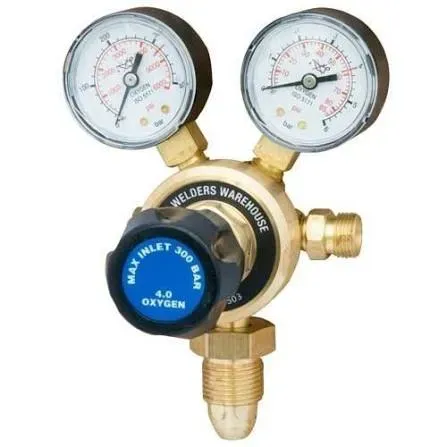
A regulator that fits the cylinder is not automatically safe or suitable. Specify each regulator by gas service, cylinder inlet pressure, outlet-pressure range, flow capacity and connection standard; an oxygen regulator and fuel-gas regulator must remain clearly separated because their connections are deliberately different.
Give the supplier these details for every cutting station:
- Gas: oxygen, acetylene, LPG or natural gas
- Cylinder pressure at the inlet
- Required outlet pressure and flow
- Torch, cutting attachment and tip model
- Hose and fitting connection standard
Buy cutting tips as a matched set for the selected fuel gas and plate thickness. Nozzle selection by torch thread or nominal tip number alone can produce weak preheat, excess oxygen consumption, backfiring or an unusable cut.
Acetylene, LPG and natural-gas tips use different preheat passages and flow requirements, so verify the manufacturer’s pressure and thickness chart.
Specify the torch body, cutting attachment and tips from one compatible product family where possible. Components with different gas passages, seat geometry or flow ratings can leak or cause flashback even when their threads appear identical.
Order complete hose assemblies rather than bulk hose. Each assembly needs gas-rated hose, correct end fittings and rated clamps or crimp sleeves; never interchange oxygen and fuel-gas hose. Reject any hose that is burned, flattened, damaged or oil-contaminated.
Keep oxygen-service regulators, connections, fittings and torch passages free from oil and grease. Use only an oxygen-approved leak-detection method, never petroleum lubricant or leak fluid.
Inspect the delivery and prepare the work area before cutting
On arrival, use a delivery inspection checklist before accepting the gas-cutting package. Confirm that torch, cutting attachment, tips, regulators, flashback arrestors, non-return valves, hoses, connectors, clamps and cylinder connections match the quoted gas service.
- Check labels, thread types, flow direction arrows and pressure ranges against the order.
- Reject hoses with cuts, crushed sections, oil contamination or damaged couplings.
- Inspect regulators, torch seats and tip orifices for dents, dirt and missing seals.
- Verify that every flashback arrestor and non-return valve is present and undamaged.
- Keep acetylene cylinders upright with the valve uppermost; do not handle them like ordinary compressed-gas cylinders.
A non-return valve and a flashback arrestor are not interchangeable.
| Device | What it prevents | What to verify |
|---|---|---|
| Non-return valve | Reverse gas flow | Correct gas, flow direction and connection |
| Flashback arrestor | Flame travel into the hose or supply | Correct gas, pressure, flow capacity and connection |
Before lighting the torch, secure cylinders upright, separate oxygen from fuel-gas storage, and route hoses away from hot metal, sparks, sharp edges and vehicle traffic. Clear combustible materials from the cutting zone, provide ventilation, place a suitable fire extinguisher within reach, and screen nearby workers from sparks.
Use an approved leak-detection solution after assembly and after every cylinder change. Never use a flame to find leaks; bubbles or falling pressure means isolate the supply, repair the connection and retest. Apply IS 818 gas cutting safety controls, then set regulators and adjust the flame only after the work area is controlled.
Turn the quotation into a usable fabrication package
A quotation is incomplete if it names a torch but does not show how the setup will operate at the job. Ask the gas cutting equipment dealer to quote by user count and duty: one complete set for one operator, a flow calculation for several stations, or a portable repair kit.
- For one operator, require the torch or cutting attachment, matched oxygen and fuel-gas regulators, flashback arrestors, non-return valves, hose assemblies, connectors, tips, clamps, regulator guards and spare seals.
- For several stations, require simultaneous peak-flow calculations, cylinder capacity, a cylinder manifold and line regulator sizes. A cylinder-mounted regulator can starve a distant torch when multiple operators open their valves together; the quotation must show allowable line pressure drop.
- For repair work, specify a compact carrying case, cylinder keys or permitted valve tools, striker, correct tip cleaners and a documented inspection kit.
- Require hose assembly documentation identifying gas service, pressure rating, fittings and crimp sleeves. Oxygen and fuel-gas hoses must not be interchangeable.
- Add an approved leak-detection solution and require a leak test after assembly and every cylinder change. Bubbles or pressure loss mean isolation and repair; never use a flame.
- Include chains or racks and cylinder separation: OSHA requires 20 feet between oxygen and fuel-gas storage, or a 5-foot noncombustible barrier rated for at least 30 minutes.
Ask Rahul Industrial Products to state the material/process envelope too: conventional oxy-fuel is unsuitable for aluminium and stainless steel, where plasma may be required.
Related products
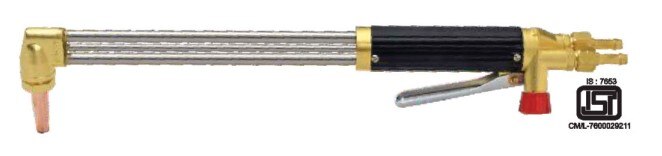 | Welding Consumables Precision Gas Cutting Solution for Industrial Applications A Blow Pipe Cutter is a high-performance gas cutting tool designed for accurate and... View product → |
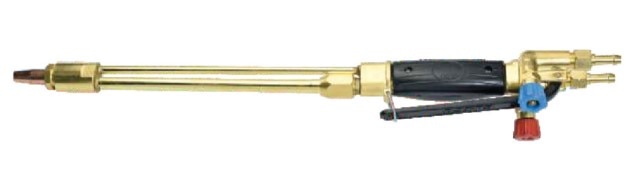 | Welding Consumables Precision Gas Cutting Torch for Industrial Metal Cutting The Straight Cutting Torch is a reliable and efficient gas cutting tool designed for... View product → |
Frequently asked questions
Which materials are suitable for oxy-fuel gas cutting?
Oxy-fuel cutting is intended for carbon steel because the process oxidises heated metal. Choose another process for stainless steel, aluminium and other non-ferrous conductive materials.
What should a complete gas-cutting setup include?
Specify the torch, cutting attachments, tips, oxygen and fuel-gas regulators, hoses, flashback arrestors, non-return valves, hose connections, spares and cylinder-compatible fittings.
How do you match cutting tips and regulators to the gas service?
Use tips marked for the exact fuel gas and thickness range. Match regulator inlet connections, outlet pressure ranges, hose fittings and seals to oxygen or the named fuel gas; do not interchange fuel-gas components.
What should you inspect before starting a gas-cutting job?
Check cylinder identity, valves, regulator threads, hose condition, tip cleanliness, flashback arrestors, leak-tight connections, ventilation, fire control and clearance from combustible materials.
Related products
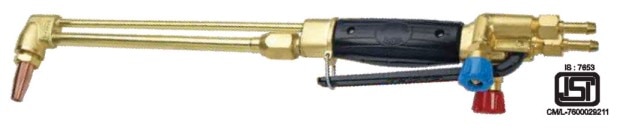 | Welding Consumables Precision Gas Cutting Solution for Industrial Applications A Blow Pipe Cutter is a high-performance gas cutting tool designed for accurate and... View product → |
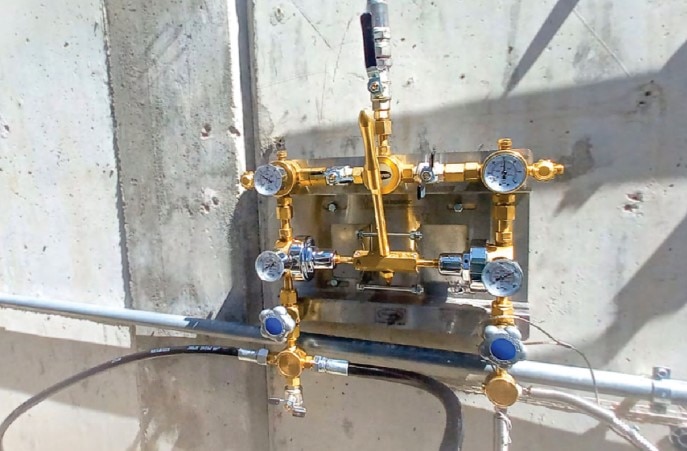 | Gas Control System Supplier in India – Rahul Industrial Products Rahul Industrial Products is a leading distributor, dealer, and supplier of high-quality Gas Control... View product → |
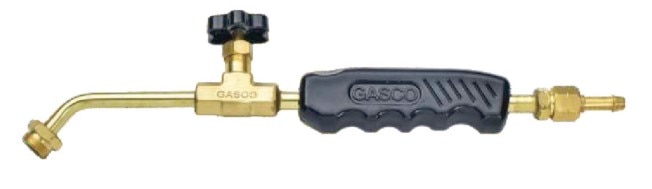 | Welding Consumables Efficient and Reliable Heating Solution for Industrial Applications The LPG Heating Torch is a high-performance industrial heating tool designed for... View product → |
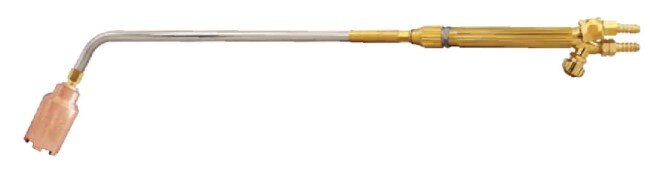 | Welding Consumables Harris Oxygen LPG Heating Torch K-43 High-Performance Industrial Heating Torch for Fast and Efficient Heating The Oxygen LPG Heating Torch is a powerful industrial heating tool designed... View product → |