A hand-operated oxy-fuel torch does not create dimensional accuracy by itself: tip choice, gas settings, torch position, travel speed and inspection determine the result. By the end, you will know how to verify a Model 62 configuration, prepare it safely, control a cut and decide when another cutting method is the better fit.
Key takeaways
- Match the torch, fuel, tip and plate thickness before opening the gas valves.
- Use controlled preheating and piercing to prevent oversized holes and uneven starts.
- Keep torch travel speed consistent to maintain a square, slag-free cut edge.
- Choose oxy-fuel cutting for suitable carbon steel, not every metal or thickness.
What the Model 62 configuration must establish before cutting
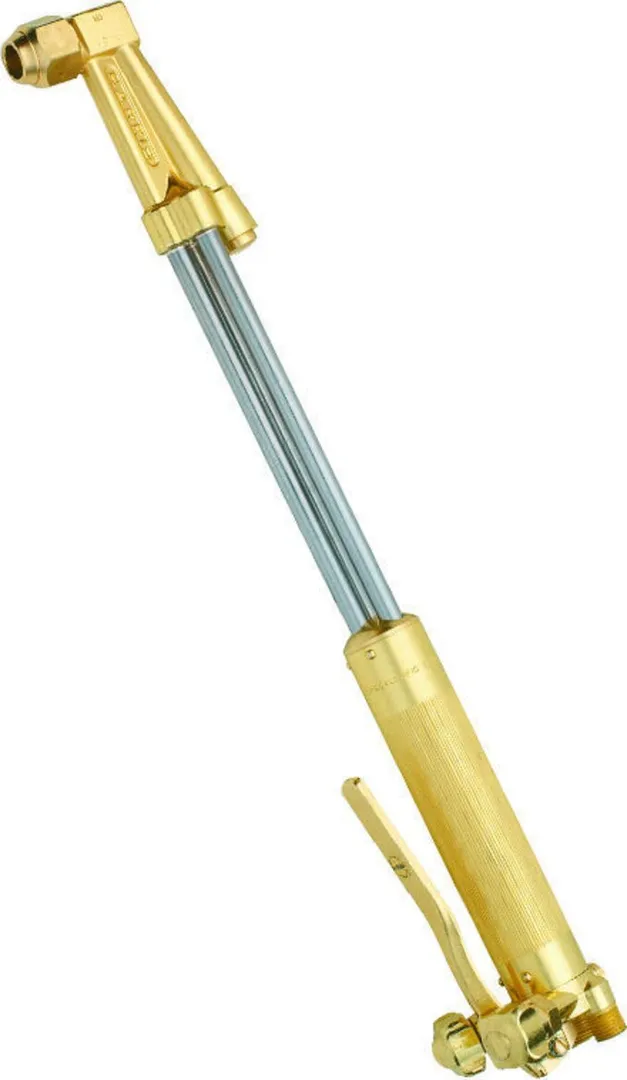
A precise cut begins with matching the torch body, fuel system and tip to the plate—not with choosing the largest nozzle that fits. The Harris Model 62 is a hand-operated oxy-fuel cutting torch.
The commonly specified heavy-duty Model 62-3 is the 90-degree head configuration number 62-3 series, but verify the suffix, head angle and hose arrangement before ordering.
| Configuration | Establish before cutting | Why it matters |
|---|---|---|
| Torch | Confirm a Model 62-3 three-hose torch when the job requires its heavy-duty capacity and 90-degree head | Model 62 variants are not interchangeable descriptions of capacity or hose layout |
| Fuel system | Match the fuel gas, regulators, hoses and operating-pressure chart to the torch and selected tip | An incorrect fuel setup can produce unstable preheat, backfire risk or poor cut continuity |
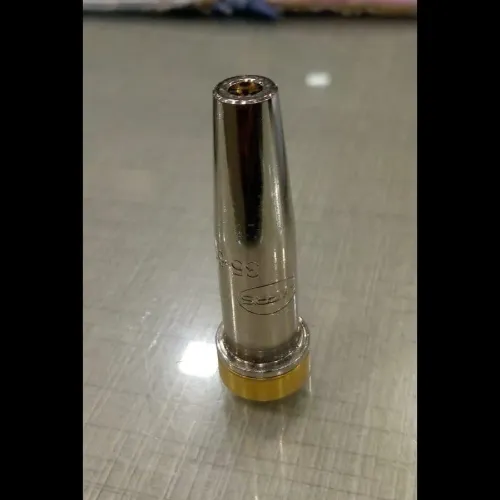
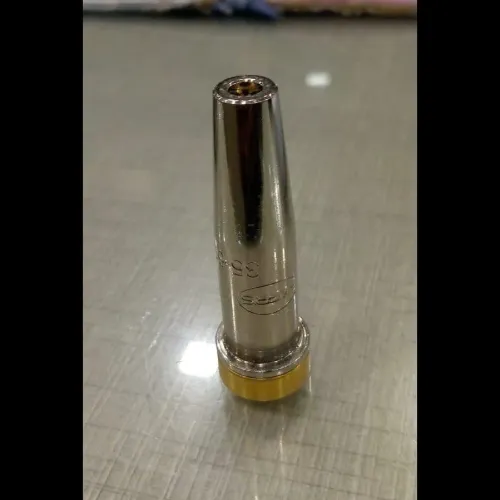
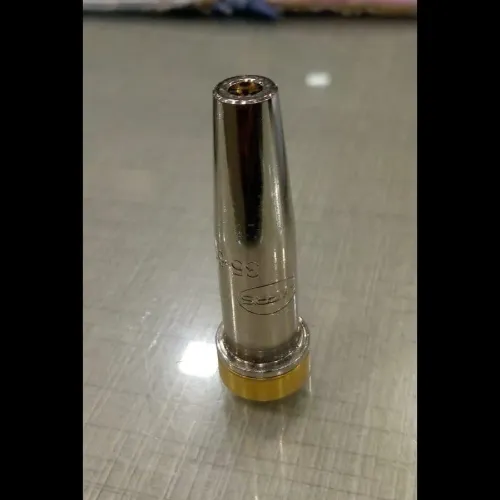
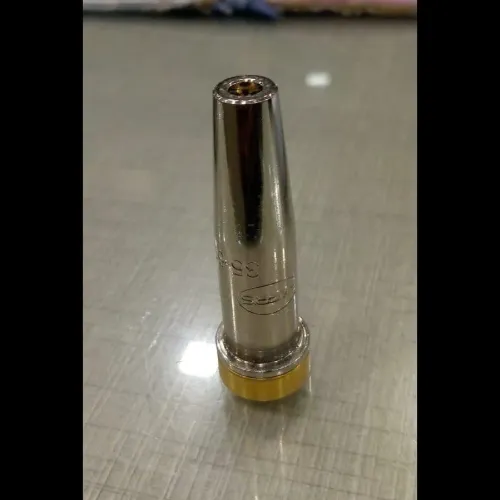
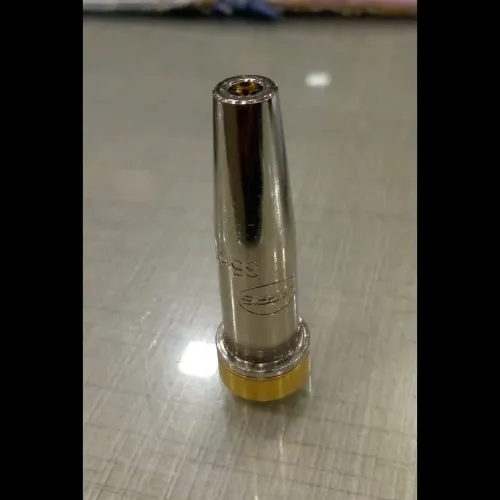
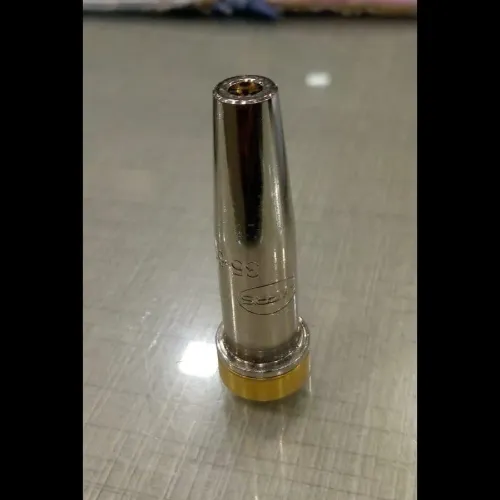
| Cutting tip | Select the applicable Harris 6290-series tip number from the fuel-and-thickness chart | Tip size controls heat delivery, oxygen demand, kerf behaviour and cut speed |
| Material range | Treat approximately 6 inches as a Model 62-3 capability limit, not a guaranteed precision range | Thick plate magnifies errors in travel, restraint, piercing and setup |
| Oxygen setting | Use the chart for the exact tip, fuel, thickness and hose length | Wrong cutting-oxygen pressure can cause poor piercing, excessive kerf width, oxygen waste or interrupted cutting |
The separate cutting-oxygen lever confirms that the torch is built for stable preheat before the high-velocity oxygen jet starts the cut. Dimensional accuracy still comes from operator travel, guides, plate restraint and inspection, not from the torch alone.
How to prepare, light and pierce with controlled gas flow
Regulator gauges show pressure at the torch inlet; they do not specify the pressure or oxygen flow required at the cutting tip. Use the 6290-series tip chart for the selected fuel, plate thickness and hose length, then set the oxygen and fuel-gas regulators to that chart’s values.
1. Close both cylinder valves and inspect the three-hose torch, tip seat, seals and hose connections. Connect the preheat oxygen, cutting oxygen and fuel hoses to their marked inlets. Fit non-return valves and flashback arrestors in the positions specified for the equipment, then leak-test every joint with an approved leak-detection solution.
2. Open the cylinder valves slowly and set regulator pressures with the torch valves closed. Do not copy a pressure from another tip: excessive cutting-oxygen pressure widens the kerf and wastes gas, while insufficient pressure causes poor piercing or interrupted cutting.
3. Purge each hose separately in a ventilated area, close the valves, and light the fuel gas with a friction lighter. Add preheat oxygen until the flame has clearly defined, equal inner cones and no smoky fuel-rich feather. Keep the tip at the charted stand-off.
4. Hold the torch perpendicular to the plate and preheat the starting point until it reaches ignition temperature. Depress the cutting-oxygen lever, confirm a clean piercing jet, and begin travel only after the jet has passed through the plate. Keep travel steady; release the lever before lifting the torch.
How torch movement turns flame control into a precise edge
Hold the torch perpendicular to the plate unless the drawing calls for a bevel. Use a straightedge guide for long cuts, keep the tip at the tip-maker’s specified stand-off distance, and move at a steady travel speed rather than correcting in short jerks.
Set the inner preheat cones evenly around the orifice and let the edge reach ignition temperature before pressing the cutting-oxygen lever. Introducing cutting oxygen too early widens the starting crater and can leave an uncut corner.
Keep both hands controlled: one guides the torch while the other maintains light contact with the guide. Do not drag the tip across the plate. A changing stand-off alters preheat intensity, oxygen-jet alignment and kerf shape.
Make a test cut on the same material grade and thickness as the production plate. Mark the intended width and length before cutting, then inspect the result with these checks:
- Measure top and bottom kerf widths with calipers; an increasing difference indicates a bevel or misaligned jet.
- Place a square against the cut face and check for visible light gaps.
- Compare the finished length and width with the drawing tolerance.
- Examine drag lines for consistent spacing and direction.
- Check the underside for attached slag, notches or an uncut corner.
Record the tip setting, stand-off, travel speed and measurements. Adjust one variable at a time; increasing oxygen pressure alone will not correct a tilted torch or unsuitable travel speed.
When Model 62 is the right cutting choice—and when it is not
Production commitment should follow the cut sample, not the torch’s maximum capacity. Compare the Model 62 against alternatives using the same plate grade, thickness, fuel, cut length and acceptance limits.
| Option | Best fit | Trade-off to verify |
|---|---|---|
| Model 62 with 6290-series tips | Thick plate and demanding manual cuts | Larger tips and oxygen flow can reduce cutting time but widen the kerf, increase slag, gas use and heat-affected area |
| Straight cutting torch | Repeated straight cuts with a guide or straightedge | Less suitable for complex profiles or automated production |
| Blow pipe cutter | General manual cutting where portability matters | Compare its tip range, hose arrangement and maximum thickness with the Model 62 |
| 303 NM gas cutting torch | Jobs specified around that torch’s own consumables | Do not assume its tips, pressures or fuel settings transfer to Model 62 |
| Mechanised cutting attachment | Long, repeatable cuts with controlled travel | Adds setup, alignment and maintenance effort but usually improves consistency |
Check acetylene, LPG, propane and natural gas compatibility before ordering. A 6290-series tip selected for acetylene is not interchangeable with one for propane or natural gas; use the fuel-specific thickness and pressure chart.
Rahul Industrial Products can record the torch suffix, fuel, tip number and chart thickness on your quotation, preventing a visually similar replacement from entering production. Reject the Model 62 for thin sheet, intricate profiles or high-volume tolerance work when a CNC plasma, laser or mechanised gas system delivers a narrower, more repeatable cut.
Related products
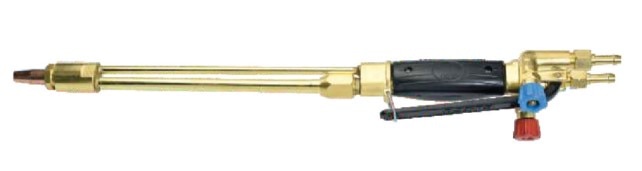 | Welding Consumables Precision Gas Cutting Torch for Industrial Metal Cutting The Straight Cutting Torch is a reliable and efficient gas cutting tool designed for... View product → |
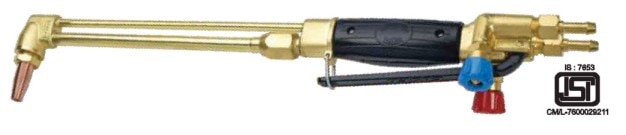 | Welding Consumables Precision Gas Cutting Solution for Industrial Applications A Blow Pipe Cutter is a high-performance gas cutting tool designed for accurate and... View product → |
How safety, maintenance and process records protect cut quality
A signed hot-work permit, a present fire watch and a recorded pre-start inspection prevent small faults from becoming distorted edges, damaged tips or costly rework. Remove combustibles, confirm cylinders are secured, and leak-test connections before lighting.
- Record the date, operator, plate grade and thickness, Harris tip number, fuel gas, regulator settings, preheat time and cutting-oxygen setting. Do not copy pressure values from another tip.
- Verify oxygen-service cleanliness at every oxygen connection, passage and tip. Reject any component contaminated with oil or grease; petroleum lubricant can ignite in oxygen and disrupt flow.
- Inspect hoses, valves, regulators and flashback arrestors before each shift. A flashback inspection belongs in the log, including the defect, isolation action and replacement date.
- Perform tip cleaning with the specified soft, correctly sized tools. Never use a drill or welding rod, which can enlarge or distort orifices and widen the kerf.
- Record controlled piercing separately from edge starts. If molten metal is driven into the tip, stop, cool it safely and inspect before continuing.
- After cutting, document edge defects, grinding and slag removal, rejected parts and corrective action. Repeated burrs or heavy slag point to wrong pressure, travel speed, stand-off or tip condition—not merely a finishing problem.
Keep gas-cylinder readings and tip-change times with the job record. Comparing those entries with scrap and oxygen use exposes hidden consumption before it becomes the normal cost of production.
Frequently asked questions
What must you check before cutting with a Harris Model 62?
Confirm the torch configuration, fuel type, cutting tip, gas pressures and plate thickness match the planned cut.
How do you prepare and pierce plate with the Model 62?
Set controlled gas flow, preheat the starting point, and introduce cutting oxygen only after the metal reaches ignition temperature.
How does torch movement affect cut quality?
Keep the torch at the correct height and move at a steady speed so the oxygen jet remains aligned with the cut line.
When is a Harris Model 62 the wrong cutting choice?
Use another process for metals that do not oxidize readily with oxy-fuel, thin work requiring minimal heat distortion, or cuts needing automated precision.
Which safety and maintenance records protect cut quality?
Record tip selection, gas settings, material thickness and results; inspect hoses, connections, valves, tip orifices and flashback protection before use.
Related product
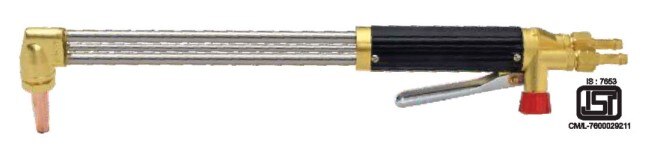 | Welding Consumables Precision Gas Cutting Solution for Industrial Applications A Blow Pipe Cutter is a high-performance gas cutting tool designed for accurate and... View product → |