
Industrial hydraulic systems depend on precision, pressure control, and leak-free performance. While pumps, cylinders, and valves receive most of the attention, hydraulic fittings are equally important because they create secure connections between system components. Choosing the right fittings can reduce downtime, improve safety, and extend the life of hydraulic equipment.
Manufacturing industries in Pimpri-Chinchwad, Maharashtra, including automotive plants, fabrication workshops, heavy engineering companies, and industrial maintenance teams, rely on hydraulic systems for efficient operations. Selecting suitable hydraulic fittings is an important step toward maintaining consistent machine performance.
Why Hydraulic Fittings Matter
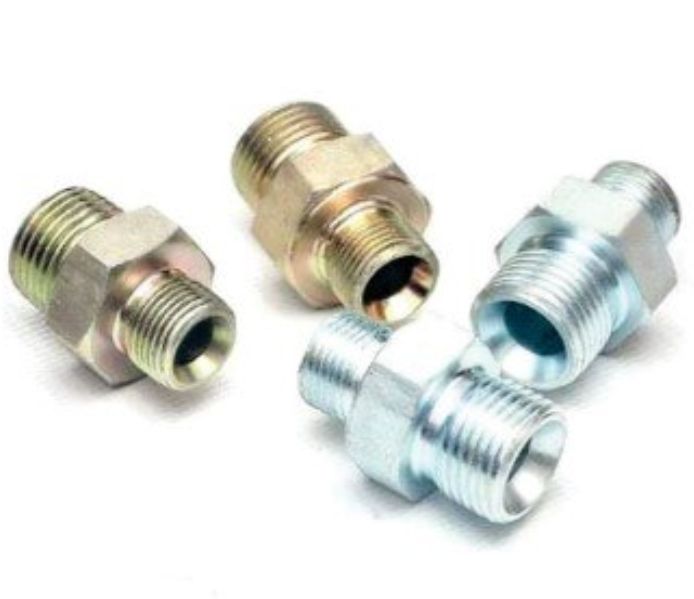
Hydraulic fittings connect hoses, pipes, tubes, and hydraulic components while maintaining pressure integrity throughout the system. Poor-quality fittings or incorrect sizing can lead to leaks, pressure loss, contamination, and costly equipment failures.
A properly selected fitting helps:
- Maintain consistent hydraulic pressure
- Prevent oil leakage
- Improve system efficiency
- Reduce maintenance requirements
- Increase equipment reliability
Even a small leak can affect production quality and increase operating costs.
Common Types of Hydraulic Fittings
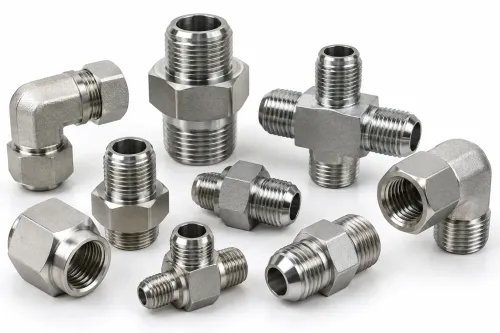
Different hydraulic applications require different fitting designs.
Some commonly used options include:
- Straight fittings
- Elbow fittings
- Tee fittings
- Cross fittings
- Bulkhead fittings
- Quick-connect couplings
The correct choice depends on pressure ratings, installation space, fluid type, and equipment configuration.
Factors to Consider Before Selecting Hydraulic Fittings
When evaluating hydraulic fittings, procurement teams should focus on more than price.
Important considerations include:
Pressure Rating
The fitting must safely handle the maximum operating pressure of the hydraulic system.
Material Compatibility
Carbon steel, stainless steel, and brass fittings each offer advantages depending on the application and working environment.
Thread Type
Using the correct thread standard prevents leakage and installation issues.
Corrosion Resistance
Equipment operating in humid or chemical environments benefits from corrosion-resistant materials.
Ease of Maintenance
Standardized fittings simplify replacement and reduce maintenance downtime.
Signs That Hydraulic Fittings Need Replacement
Hydraulic fittings should be inspected regularly for signs of wear.
Common warning signs include:
- Oil seepage around connections
- Visible corrosion
- Cracked fitting surfaces
- Loose threaded joints
- Pressure drops during operation
Replacing worn fittings before failure helps prevent costly production interruptions.
Why Supplier Expertise Matters
Industrial buyers often require guidance when selecting fittings for complex hydraulic systems. Experienced suppliers can recommend compatible products based on pressure requirements, operating conditions, and equipment specifications.
Many engineering companies across Pimpri-Chinchwad work with suppliers such as Rahul Industrial Products, which provides hydraulic fittings alongside welding equipment, blasting systems, industrial gas equipment, painting equipment, and engineering consumables for diverse manufacturing applications.
Selecting high-quality hydraulic fittings contributes to safer operations, better equipment performance, and lower long-term maintenance costs.