A hose quotation is only useful when it matches the medium, pressure, temperature, movement, connection and safety conditions at your plant. By the end, you will have a practical method for defining the requirement, comparing materials and assemblies, and testing whether a Rahul Flex Pipe dealer can support the specification rather than simply supply a nominal size.
Key takeaways
- Describe the medium, movement and operating conditions before discussing line size.
- Match hose material and reinforcement to chemical, abrasive and pressure exposure.
- Check working pressure, temperature limits and minimum bend radius together.
- Request material documents, test records and clear after-sales support.
Define the service before you compare dealers
A correct Rahul Flex Pipe recommendation starts with the service, not the nominal line size. Tell an industrial hose dealer exactly what the hose will carry, how it will move, and what it will encounter; otherwise a hose rated for compressed air could be offered for abrasive slurry, solvent vapour or oxygen service.
Give the dealer these details:
- Medium, concentration and contamination: water, oil, hydraulic fluid, paint, abrasive, solvent or gas.
- Pressure: normal working pressure, static pressure, pulsation, surge and impulse duty. For hydraulics, include pump type, operating cycle and pressure spikes.
- Temperature: minimum and maximum medium temperature, ambient temperature and whether the quoted rating applies at that temperature.
- Dimensions: inside diameter, outside diameter, length, wall thickness and flow velocity.
- Movement and routing: suction or discharge duty, flexing frequency, torsion, vibration, abrasion, external exposure and the tightest bend radius.
- Connections and safety interfaces: coupling type, thread, seal, crimp system, deadman control and nozzle shutoff arrangement.
| Service condition | Information to report | Why it changes the choice |
|---|---|---|
| Suction hose versus discharge hose | Vacuum, pressure and collapse risk | Suction construction resists collapse; discharge construction prioritises pressure containment |
| Cyclic hydraulic service | Surge, impulse frequency and dynamic bend radius | Static pressure alone can conceal early fatigue |
| Abrasive blasting | Abrasive type, deadman control and nozzle shutoff | Hose selection must include the operating safety arrangement |
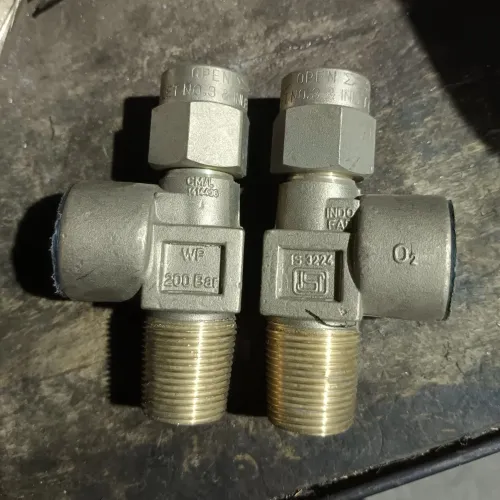
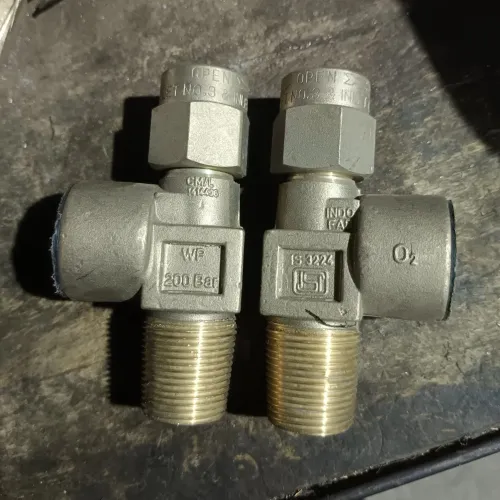
| Oxygen service | Cleaning, packaging and contamination controls | Oil or grease residue creates an ignition hazard |
Never mix an unapproved hose, ferrule, coupling or crimp die; the assembly rating can become invalid.
Match hose material and reinforcement to the medium
The medium decides the hose lining; pressure, movement and abrasion decide its reinforcement. Choose the construction for the actual fluid, not simply for its pressure rating.
| Material | Strengths | Limits and suitable service |
|---|---|---|
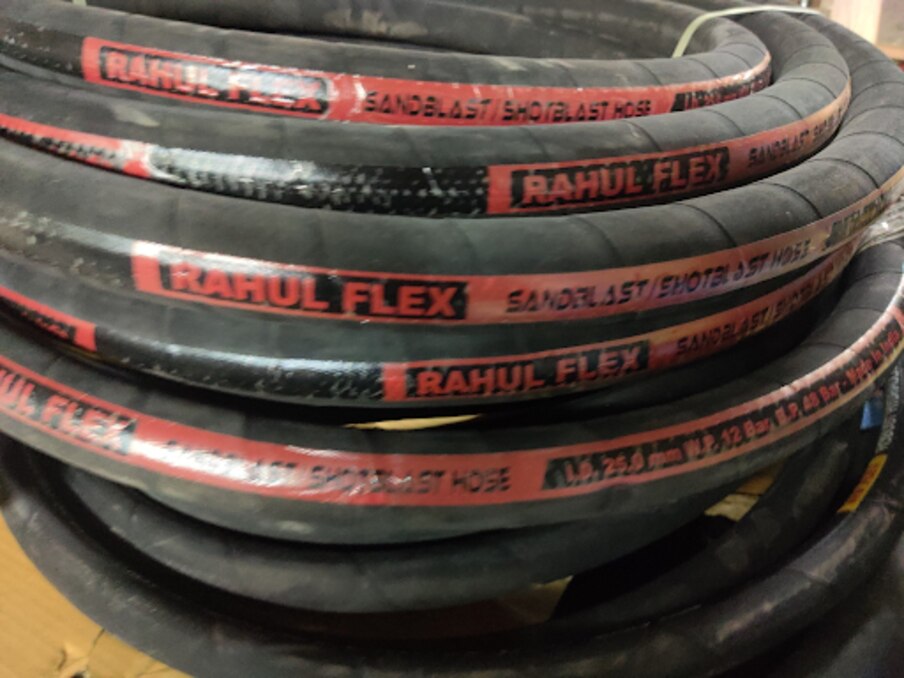
| Rubber hose | Flexible, resilient and effective against vibration and abrasion; fabric, wire or textile reinforcement raises pressure capacity | Oil, solvent and gas compatibility varies by elastomer. For blasting, specify an abrasive-service hose meeting ISO 3861, not a general-purpose air hose |
| PVC flexible pipe | Light, economical and available in clear grades for visual flow checks; spiral reinforcement supports suction service | Becomes stiff in cold conditions and is vulnerable to some solvents, oils and high temperatures |
| Polyurethane hose | Excellent abrasion resistance, low friction and good flexibility for abrasive powder, pellets and conveying lines | Temperature and chemical limits differ by formulation; confirm them before using it with oil, solvent or hot material |
| PTFE hose | Very broad chemical resistance, low friction and clean internal surface | Less tolerant of sharp bending and vibration; confirm PTFE hose material compatibility, permeation and reinforcement temperature limits |
| Thermoplastic hose | Compact, consistent bore and high pressure capability in hydraulic or pneumatic assemblies | Verify fluid compatibility, impulse rating and cold-flex performance; some grades conduct static, others insulate |
| Metal-braided or corrugated hose | Handles high temperature, fire exposure and severe pressure when correctly engineered | Heavy, less forgiving of torsion and vulnerable to fatigue from poor routing or vibration |
For gas welding, specify ISO 3821 hose and identify oxygen or fuel gas separately. For every construction, request the lining, reinforcement, working temperature, pressure type and electrical rating; a conductive outer hose alone does not prove continuity through couplings and the complete circuit.
Check diameter, pressure, temperature and bend radius
Do not order a hose because its nominal line size matches the pipe. Choose the inside diameter from required flow and allowable velocity, then check the outside diameter against clamps, guards, pass-throughs and available clearance. A bore that is too small increases pressure loss and heat; an oversized hose may not route correctly.
Check each value against the actual service envelope:
| Item | What to confirm | What goes wrong if ignored |
|---|---|---|
| Inside diameter | Flow rate, velocity and connection bore | Excessive loss, noise or restriction |
| Outside diameter | Space, clamps, guards and abrasion clearance | Chafing, poor restraint or failed installation |
| Working pressure | Maximum static, pulsating and surge pressure at service temperature | Premature rupture during spikes |
| Burst pressure | Manufacturer’s tested failure limit, not an operating target | A false sense of usable capacity |
| Temperature | Continuous and transient medium and ambient temperatures | Hardening, softening or reinforcement damage |
| Bend radius | Exact construction’s static or dynamic minimum | Kinking and shortened service life |
For hydraulic service, provide pump type, operating cycle and surge data. Require the exact hose standard, construction, size and maximum working pressure; “high-pressure hydraulic hose” is not enough. SAE J517 and ISO 18752 are different classification references.
Treat bend radius as a routing limit, not a packaging suggestion. Do not bend directly behind a coupling or twist the hose during movement. Ask for a rating at the actual temperature, plus assembly test evidence linked to the hose batch, coupling and test date.
Specify the complete hose assembly and connection
Measure the installed assembly, not just the hose. Record the face-to-face length between sealing points, inside diameter, outside diameter, bend radius, fitting orientation and the space needed for movement. A hose that matches the nominal line size can still kink, pull on its ports or fail because the replacement is too short.
Give the dealer this checklist:
- Hose length, ID, OD, wall thickness and bend radius
- End fitting type, angle, orientation and insertion depth
- Port standard: BSP thread, NPT thread or metric thread, plus size and pitch
- Seal type, such as an O-ring, bonded washer, cone seat or gasket
- Working and burst pressure, temperature range and assembly identification
- Required hose couplings and clamps, locking devices, whip checks or other restraints
Never combine components by appearance. The hose, tube, adapter, ferrule and coupling form one pressure-rated assembly; a manufacturer’s crimp hose paired with another manufacturer’s ferrule or die can invalidate the rating. Request the approved hose-coupling combination and its crimp dimensions.
Check the actual sealing method, not only thread engagement. BSPP, BSPT, NPT and metric threads are not interchangeable, and a thread sealant cannot correct the wrong pitch or seat. For compressed air, a quick-connect body alone is not a restraint against accidental separation.
For blasting service, confirm electrical continuity across the hose, nozzle, couplings, machine and workpiece. For critical assemblies, request a dated ISO 1402 test record or hydraulic standard designation such as SAE J517 or ISO 18752.
Evaluate the dealer through documents, testing and after-sales support
A capable dealer can prove why a hose fits your service; a size-only seller can provide little beyond inside diameter and length. Ask for documents that identify the construction, cover and reinforcement, working pressure, temperature range, bend radius, conveyed medium and batch or traceability details.
Request evidence that covers these checks:
- A gas specification naming oxygen or the fuel gas, with ISO 3821 gas welding hose identification and compatibility. Colour alone is not proof; the wrong elastomer can swell, permeate gas or reject the fitting.
- A hydraulic datasheet stating the exact construction and pressure class under SAE J517 hydraulic hose, or the ISO 18752 hose standard designation. “High-pressure hydraulic hose” is not an auditable specification.
- An abrasive-service datasheet identifying ISO 3861 abrasive blasting hose, its abrasion resistance and static-control provisions. A general air hose can wear through quickly inside a blast line.
- An assembly or pressure-test record showing the coupling, crimp dimensions, seals and test pressure—not merely a hose cut to length.
For blasting equipment, require the dealer to confirm deadman control and nozzle shutoff compatibility. The nozzle operating valve must stop abrasive flow when released; a hose quotation that omits this interface is incomplete.
After delivery, ask for inspection criteria covering cover cuts, blisters, exposed reinforcement, coupling movement, kinks, flattening, heat damage and chemical swelling. Rahul Industrial Products can be evaluated on whether its hose and fitting advice addresses those failure signs and supplies compatible replacement coupling parts, not only a replacement tube.
Frequently asked questions
What should you define before comparing industrial hose dealers?
Define the service first: identify the medium, movement, exposure, operating cycle and risks such as abrasion, solvents, slurry or oxygen service.
How do you match hose material and reinforcement to the medium?
Compare the medium with the hose tube, cover and reinforcement materials, then verify resistance to chemicals, abrasion, pressure and permeation.
Which hose dimensions and ratings must you check?
Check inside diameter, working and burst pressure, operating temperature, vacuum rating where relevant, and the minimum bend radius.
What should a complete flexible hose assembly specification include?
Specify the hose type, length, end connections, coupling material, orientation, sealing method, pressure rating and any required guards or clamps.
How can you evaluate a Rahul Flex Pipe dealer?
Ask for product datasheets, batch or traceability details, pressure-test records, compatibility guidance, replacement advice and a defined after-sales process.