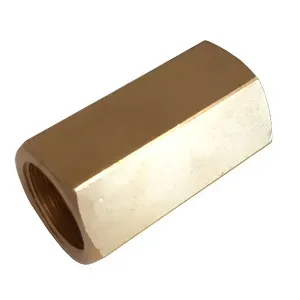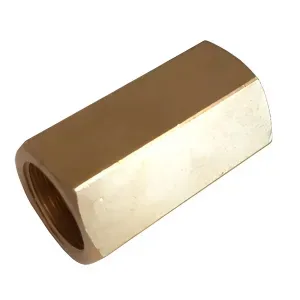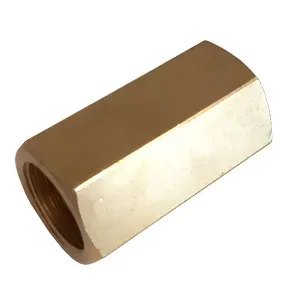
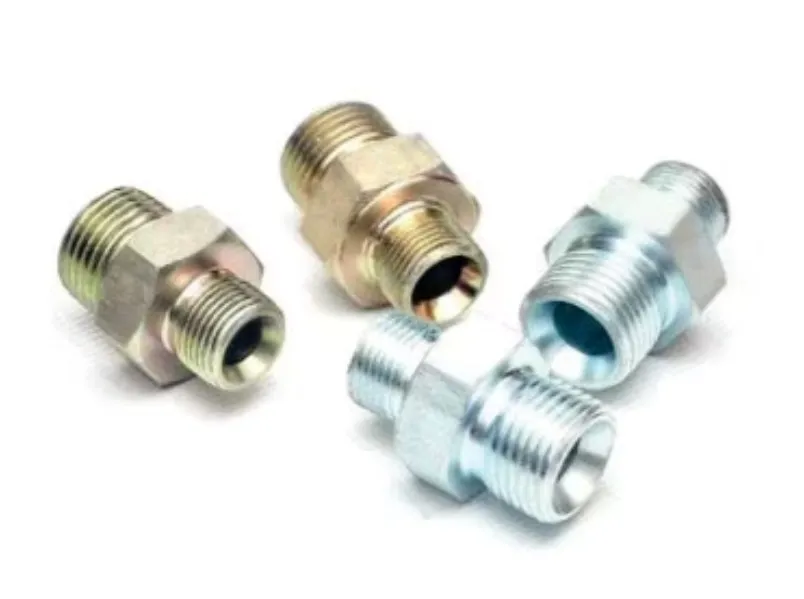
Hydraulic fittings connect hoses, tubes, valves, cylinders, pumps, and other components throughout a hydraulic circuit. Because these connections operate under pressure, incorrect fitting selection can contribute to leaks, maintenance problems, and equipment downtime. Choosing a capable Hydraulic Fittings Dealer is therefore an important procurement decision.
Manufacturing and maintenance teams in Bhosari, Maharashtra, often need fittings both for planned machinery assembly and urgent replacement work. Accurate identification becomes especially important when multiple machines use different connection standards.
Confirm the Fitting Type
Visual similarity should never be the only identification method.
Before purchasing, determine relevant specifications such as thread type, thread size, sealing method, fitting configuration, material, and connection standard.
Straight fittings, elbows, tees, reducers, bulkhead connections, and other configurations serve different routing needs.
Verify System Pressure Requirements
Hydraulic components must be appropriate for their intended operating conditions.
Procurement teams should know the system's specified pressure requirements and ensure the selected components meet the relevant equipment specifications. Using a fitting without confirming its suitability can compromise the integrity of the assembly.
Check Material Compatibility
The fitting material should be suitable for the hydraulic fluid, operating environment, connected components, and equipment specification.
Industrial environments may expose components to moisture, chemicals, vibration, temperature changes, or other demanding conditions. These factors should be communicated during product selection.
Examine the Dealer's Product Range
A useful hydraulic supplier should ideally support multiple related requirements rather than forcing maintenance teams to source every connection independently.
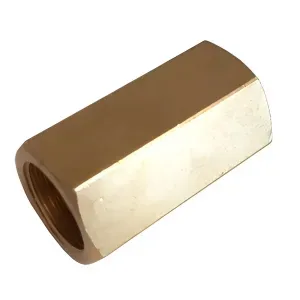
Depending on the application, this may include fittings, adaptors, couplings, hose fittings, and associated hydraulic accessories.
Having access to compatible product categories can simplify maintenance procurement, particularly for facilities managing different machines.
Ask Technical Questions Before Ordering
Before finalising an unfamiliar fitting, provide as much information as possible. Useful details include:
- Equipment make and model where relevant
- Existing fitting specifications
- Thread measurements
- Hose or tube size
- System pressure
- Fluid type
- Connection orientation
- Application photographs for initial identification
Photographs can help start the discussion, but dimensions and technical specifications should be used for final verification.
Reduce Repeat Procurement Problems
Rahul Industrial Products works with industrial customers requiring hydraulic and other equipment accessories. For maintenance teams, maintaining records of frequently used fitting specifications can make future ordering faster and more accurate.
Facilities can create an internal reference containing machine name, connection type, fitting specification, quantity normally stocked, and replacement history.
This turns hydraulic procurement from a reactive activity into a more organised maintenance process.
A dependable dealer should contribute to accurate product selection rather than merely supplying something that appears similar. When fittings are matched using specifications, pressure requirements, material considerations, and connection standards, industrial businesses are better positioned to maintain reliable hydraulic assemblies.
Keywords