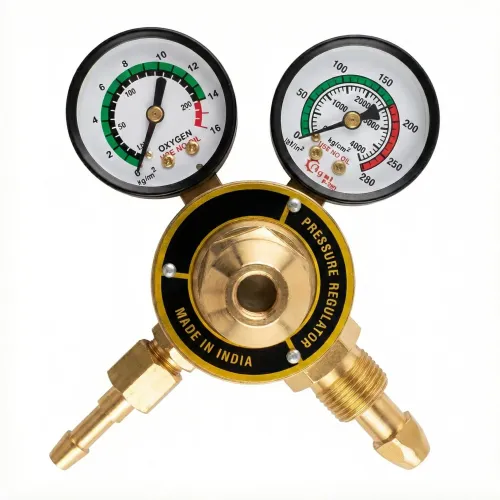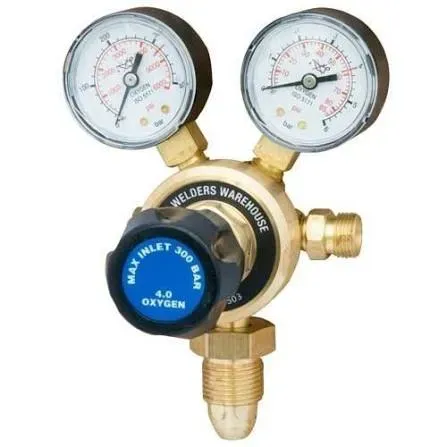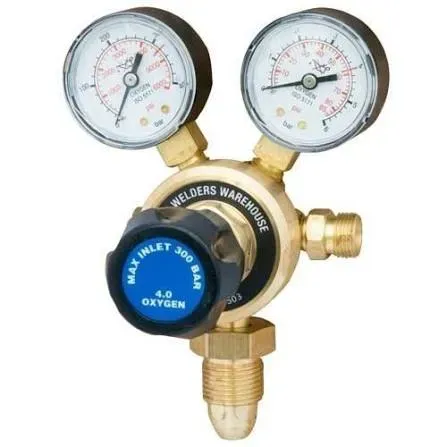
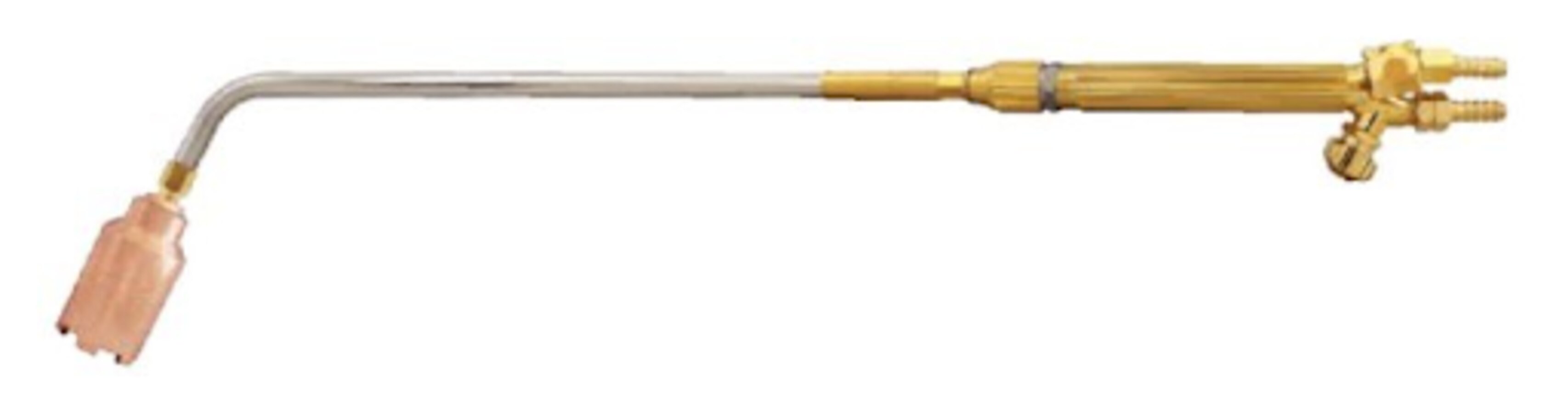
A torch, regulator or adaptor is only one part of a gas system, and a correct-looking component can still be wrong for the gas, pressure, flow or connection. By the end, you will have a practical way to compare a Harris distributor’s product range, technical checks, documentation, safety guidance and after-sales support before placing an order.
Key takeaways
- Trace every component from the gas source to the point of use.
- Match regulator materials, pressure range and connections to the actual gas service.
- Request model numbers, datasheets, certificates and warranty terms before accepting a quote.
- Confirm commissioning, leak testing, training and maintenance support in writing.
Why a Complete Harris Range Is More Valuable Than a Single Component
A complete Harris range reduces system-matching risk because a Harris gas equipment distributor can review the entire gas path, not just sell a regulator. Trace it from the cylinder or bulk-gas connection through the regulator, manifold, isolation valve, hose, check valve, flashback arrestor, relief device and point-of-use control.
A check valve limits reverse flow; a flashback arrestor addresses flame propagation.
The range should also connect Harris cutting attachments, Harris welding torches and Harris heating torches to the correct torch tips, fittings, adaptors and hose connections. A long catalogue of unrelated products is not a system range. Isolated purchases can leave you with mismatched threads, incompatible seals, unsuitable pressure ratings or no end-of-line protection.
Before ordering, check that the distributor can supply:
- Matching cylinder, regulator, manifold, hose and torch connections
- Gas-rated seals, pressure ranges and flow capacity
- The specified tip, adaptor, check valve and flashback arrestor arrangement
- Spare tips, seals, diaphragms, filters, hoses and regulator replacement parts
Those spares protect uptime: a blocked tip, hardened seal, failed diaphragm or damaged hose can stop production while a replacement is sourced. A matched range also supports diagnosis of pressure drop, gas starvation, icing or regulator creep across the installation.
How to Match the Equipment to the Gas, Application and Operating Conditions
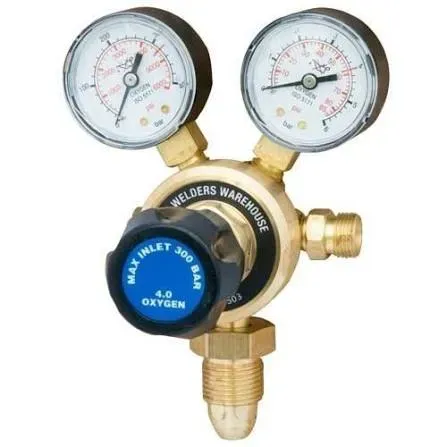
Record the service conditions before choosing a component. Gas regulator selection starts with gas identity and purity, cylinder pressure, required outlet pressure, flow range, operating temperature, inlet and outlet connections, thread standard, hose bore, torch connection and accessories.
| Application | Suitable arrangement | Key reason |
|---|---|---|
| Oxygen-LPG heating | Oxygen and LPG regulator, heating torch and matched tip | Broad, economical heating; use the specified LPG tip and hose |
| Oxygen-acetylene cutting | Oxygen and acetylene regulators, cutting attachment and tip | Acetylene provides the concentrated preheat flame needed for cutting |
| Brazing or welding | Oxygen-acetylene torch, or an approved alternative fuel-gas setup | Choose the flame temperature and control required by the alloy and joint |
| Heavy preheating | Oxygen-LPG or another approved high-capacity fuel-gas arrangement | Higher fuel demand can make acetylene unsuitable or uneconomical |
1. Confirm the fuel-gas pressure limit. Never operate acetylene above 15 psig; higher pressure increases the risk of explosive decomposition. Do not substitute an LPG or nitrogen regulator because its pressure rating looks adequate.
2. Check regulator gas flow capacity at the actual inlet pressure, delivery pressure, gas, temperature and allowable pressure drop. A catalogue maximum does not prove adequate supply during cutting or high-consumption heating.
3. Require oxygen-service materials, seals and components with dedicated cleaning controls. Oil or grease contamination can ignite violently in oxygen service.
4. Match each flowmeter to its gas. An oxygen, argon or carbon-dioxide scale is not automatically interchangeable; obtain the manufacturer’s correction data before using it on another gas.
What to Verify Before You Accept a Harris Product or Quote
Ask for these details before accepting a Harris quote:
- Exact Harris product designation and application rating
- Gas compatibility, including oxygen, acetylene, LPG, inert gas or mixtures
- Inlet and outlet connection types, thread standards and sizes
- Inlet pressure, delivery pressure and usable flow range
- Required torch tip, hose bore and torch connection
- Required check-valve or flashback-protection arrangement
Inspect the rating plate and packaging. Confirm the product identity, manufacturer information, batch number or serial number, and available traceability documents before installation.
Compare the proposed component with the cylinder valve, hose, torch and downstream equipment. A matching nominal pressure does not prove matching threads, seals, gas service or flow capacity.
| Device | Function | What it does not prove |
|---|---|---|
| Check valve | Limits reverse gas flow | It does not stop flame propagation |
| Flashback arrestor | Stops flame travel and may quench the flame and stop gas flow | It is not interchangeable with a check valve |
This is the practical difference in flashback arrestor versus check valve selection: one limits reverse flow, while the other provides flame protection. Ask the distributor to specify protection at the torch, hose and supply side.
Reject a quote that gives only a catalogue maximum flow; demand performance at your gas, inlet pressure, delivery pressure and allowable pressure drop. Reject any claim that acetylene, oxygen and LPG equipment are interchangeable. Their materials, seals, connections, cleanliness controls and safety arrangements differ.
What Technical Support Should Cover Before and After Installation
Ask for technical support as a set of deliverables, not as a promise to answer questions later. Harris technical support is valuable when it checks the complete installation, because a regulator fault can originate in the hose, torch, cylinder valve or downstream demand.
1. Before purchase, give the distributor the gas identity, inlet pressure, required delivery pressure, flow demand, operating temperature and application. Request a gas-consumption estimate, regulator and torch-tip selection, confirmation of every connection and thread, hose-bore sizing, and a review of the intended installation.
Ask for a performance point at your actual pressure and flow, not only a catalogue maximum.
2. During commissioning, require a system-level inspection from the cylinder connection to the torch. Get written instructions for leak testing, correct pressure settings and flame adjustment. This check can expose an incompatible hose or missing protection before it becomes gas starvation, unstable flame or a flashback hazard.
3. After purchase, confirm who handles regulator troubleshooting for creep, icing and pressure drop, plus diagnosis of gas starvation, unstable flame and hose incompatibility. Ask how faults are logged, whether regulators can be repaired, and which gas equipment spare parts are available: tips, seals, diaphragms, filters and hoses.
Rahul Industrial Products is a useful example of what to ask an authorized supplier: can its team provide matched Harris selections, commissioning, service parts and fault diagnosis, or will it only process a catalogue order? That answer reveals whether support continues beyond delivery.
Related products
 | Welding Consumables Harris Oxygen LPG Heating Torch K-43 High-Performance Industrial Heating Torch for Fast and Efficient Heating The Oxygen LPG Heating Torch is a powerful industrial heating tool designed... View product → |
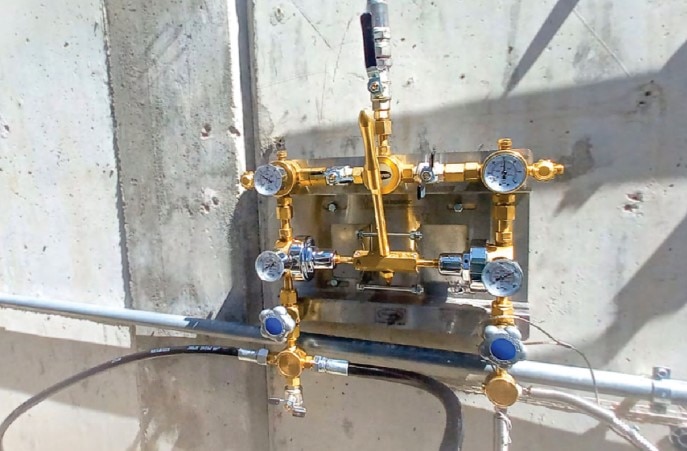 | Gas Control System Supplier in India – Rahul Industrial Products Rahul Industrial Products is a leading distributor, dealer, and supplier of high-quality Gas Control... View product → |
How a Distributor Should Explain Safety and Ongoing System Care
Reject any safety explanation that stops at “use carefully.” For oxygen service, ask how oxygen-service cleanliness is achieved, recorded and linked to service documentation. Keep every oxygen component and connection free of oil and grease. Use manufacturer instructions and a qualified gas-equipment technician to define installation limits and service intervals.
- Include cylinder and regulator inspection: reject damaged valve threads, corrosion, heat damage, illegible markings, cracked gauges or regulator damage.
- Perform gas leak testing with a suitable leak-detection solution at each connection after assembly and whenever a connection is disturbed. Never use a flame.
- Specify flashback arrestors and check valves for the gases and torch arrangement; they are not interchangeable protections.
- Confirm hose routing keeps hoses away from hot work, sharp edges, traffic and kinks, with oxygen and fuel-gas equipment physically separated.
- Replace a hose showing cuts, blistering, stiffness, burns, exposed reinforcement or damaged fittings.
- Replace seals when they are flattened, cracked, swollen or disturbed during service.
- Replace damaged, blocked or flame-affected tips rather than enlarging an orifice.
- Remove a regulator from service for creep, unstable delivery, icing damage, a damaged relief device or failed leak testing.
A competent distributor also draws boundaries. Grade D breathing air is a separate abrasive-blasting system; painting air can require an ISO 8573-1 specification, while hydraulic equipment needs contamination control expressed through ISO 4406 codes. These products are not interchangeable because they share a compressor.
Frequently asked questions
Why choose a distributor with a complete Harris equipment range?
A complete range lets the distributor review the entire gas path and match regulators, manifolds, valves, hoses, check valves, flashback arrestors and relief devices as one system.
How do you match Harris equipment to a gas application?
Confirm the gas, required flow, inlet and outlet pressures, connection standards, materials compatibility, temperature, installation environment and point-of-use demands before selecting equipment.
What should you verify before accepting a Harris product or quote?
Check the exact model number, pressure and flow ratings, connection details, datasheet, batch or serial information, certificates, included accessories, delivery scope and warranty terms.
What technical support should a Harris distributor provide?
Support should cover system selection, installation guidance, commissioning, leak testing, operating instructions, troubleshooting, replacement parts and planned maintenance.
How should a distributor explain gas-system safety and care?
The distributor should identify isolation points, relief protection, flashback prevention, leak-test procedures, inspection intervals, cylinder or bulk-gas handling controls and operator training requirements.
Related products
 | Welding Regulators Reliable Gas Pressure Control for Safe and Efficient LPG Operations The LPG Regulator is an essential gas control device designed to regulate and... View product → |
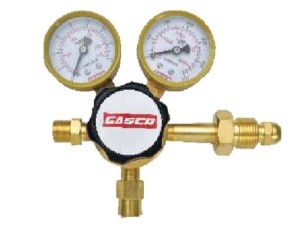 | Welding Regulators Certified Gas Pressure Regulator for Safe and Accurate Gas Control The ISI Double Meter Regulator is a high-precision gas pressure control device... View product → |
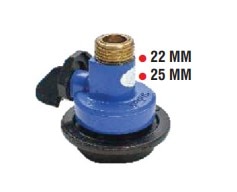 | Welding Regulators Reliable Connection Solution for LPG Gas Systems The LPG Adaptor is a high-quality gas connection accessory designed to provide a secure and... View product → |
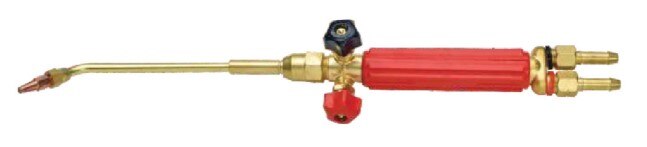 | Welding Consumables Premium Welding Torch for Precision and Professional Welding Applications The Golden Gas Welding Torch is a high-quality welding tool designed for... View product → |