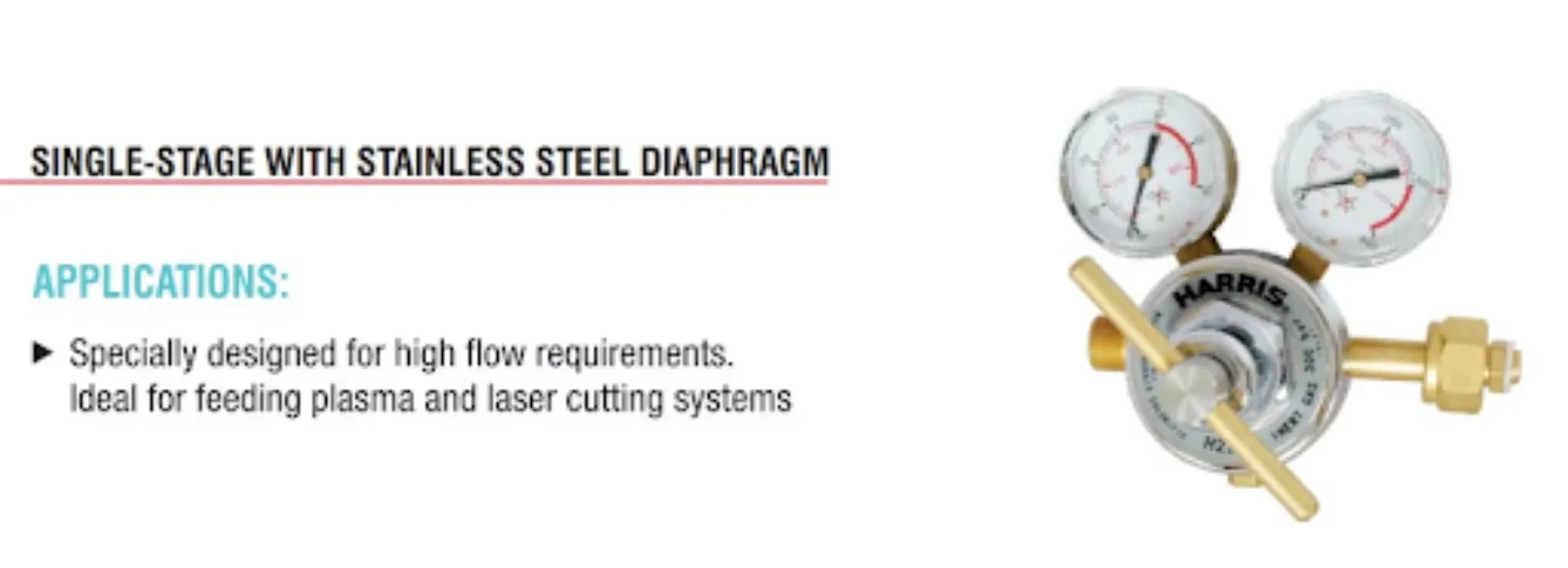
Gas pressure control is a fundamental part of many welding and cutting operations. Gas stored inside a cylinder is generally at a much higher pressure than the pressure required at the point of use. A regulator helps reduce and control that pressure, making the selection of a dependable Welding Regulator Supplier important for industrial users.
In Chinchwad, Maharashtra, fabrication workshops, maintenance departments, engineering companies, and manufacturing facilities may use different industrial gases depending on their processes. Each application requires equipment compatible with the specific gas and operating conditions.
What a Welding Regulator Does
A welding regulator reduces high cylinder pressure to a usable working pressure. Depending on its design, gauges may indicate cylinder pressure and delivery pressure.
This allows the operator to establish suitable gas delivery conditions for the connected equipment.
Regulators are used across applications involving gases such as oxygen and various fuel or shielding gases, depending on the welding, cutting, or fabrication process.
Gas Compatibility Is Essential
Regulators should never be treated as universally interchangeable components.
Different gases have specific properties, connections, pressure requirements, and safety considerations. Buyers should identify the gas first and then select equipment specifically designed and approved for that application.
Important selection considerations include:
- Type of gas
- Inlet pressure
- Required outlet pressure
- Connection specification
- Flow requirement
- Application type
- Regulator construction
- Gauge configuration
Following equipment manufacturer recommendations remains essential.
Single Stage and Two Stage Designs
Regulators can be available in different pressure-control configurations.
A single-stage regulator reduces pressure in one stage and can be suitable for many general industrial applications.
A two-stage regulator reduces pressure progressively and may be selected where more stable delivery pressure is required as cylinder pressure changes.
The appropriate configuration depends on the process rather than on the assumption that one design is always preferable.
Inspection Should Become Routine
Regulators work in demanding industrial environments and should be inspected regularly. Teams should look for visible damage, gauge problems, damaged connections, contamination, and other signs that require professional attention.
Equipment should not be modified or repaired using improvised methods. Damaged pressure-control equipment needs appropriate inspection and servicing.
Procurement Should Consider the Complete Setup
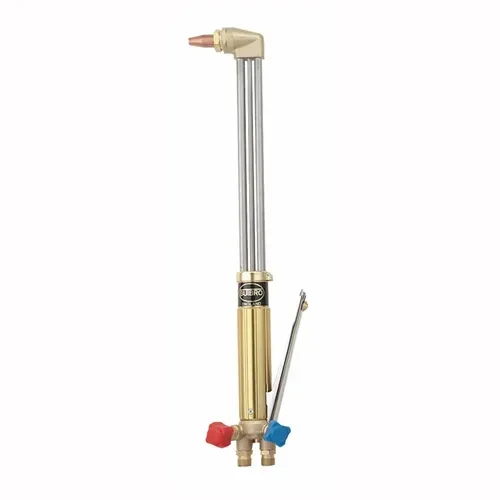
Purchasing teams sometimes evaluate a regulator separately from the rest of the gas system. A better approach is to consider the regulator alongside compatible hoses, connections, flashback protection where applicable, torches, and other system components.
Rahul Industrial Products works with industrial users requiring welding equipment and accessories. Discussing actual operating requirements with a knowledgeable provider can help procurement teams identify compatible products instead of selecting equipment solely from generic specifications.
Reliable gas control depends on correct equipment selection, installation, operation, and maintenance. When these elements are treated as part of one system, welding teams can establish more consistent working conditions while supporting appropriate industrial safety practices.
Keywords