A 198-2T torch does not deliver consistent cuts by itself: the result depends on the correct 6290 tip, fuel gas, pressures, machine carriage, stand-off and travel speed. By the end, you will be able to identify the correct torch version, specify a complete operating set, set up the cut safely and judge whether the torch suits your material and production method.
Key takeaways
- Use the 198-2T on a machine carriage, not as a hand torch.
- Match fuel gas, 6290 tip, oxygen pressure and plate thickness before cutting.
- Check flame, preheat, travel speed and kerf for early signs of poor cuts.
- Stop and inspect hoses, connections, tip orifices and torch alignment after faults.
Identify the 198-2T, 198-2TE and the machine system it requires
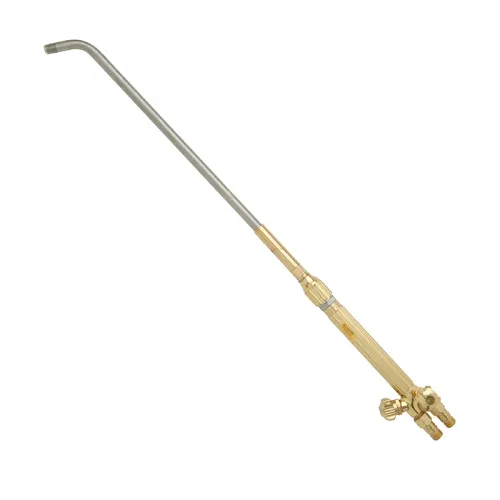
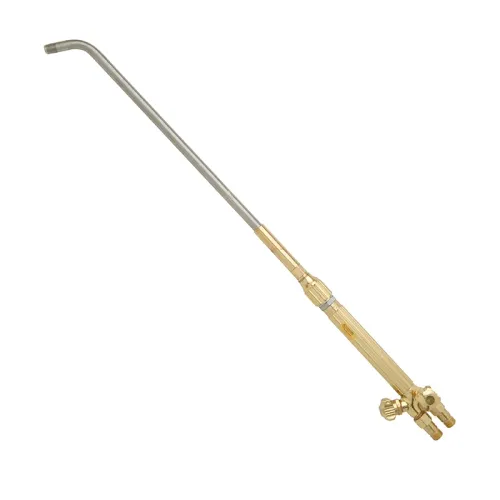
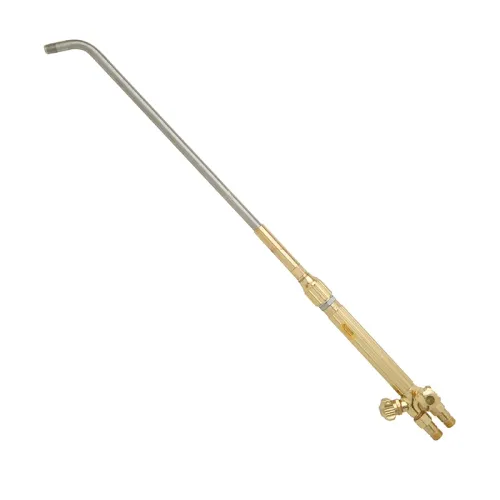
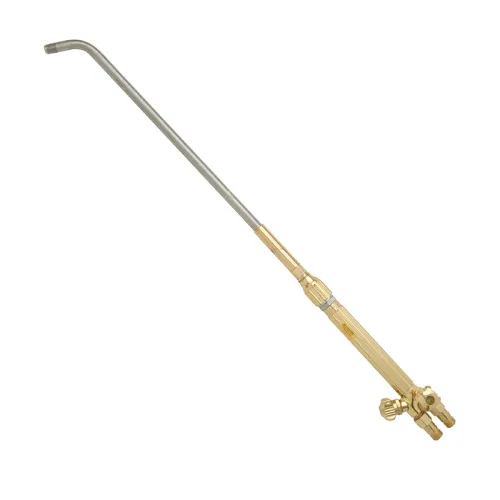
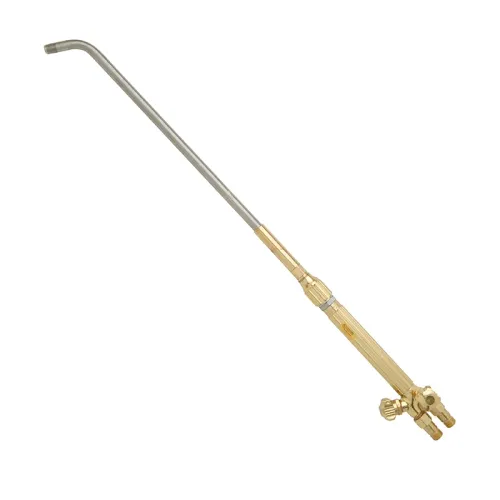
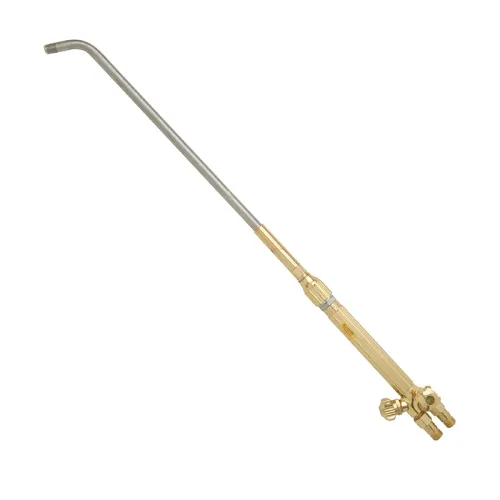
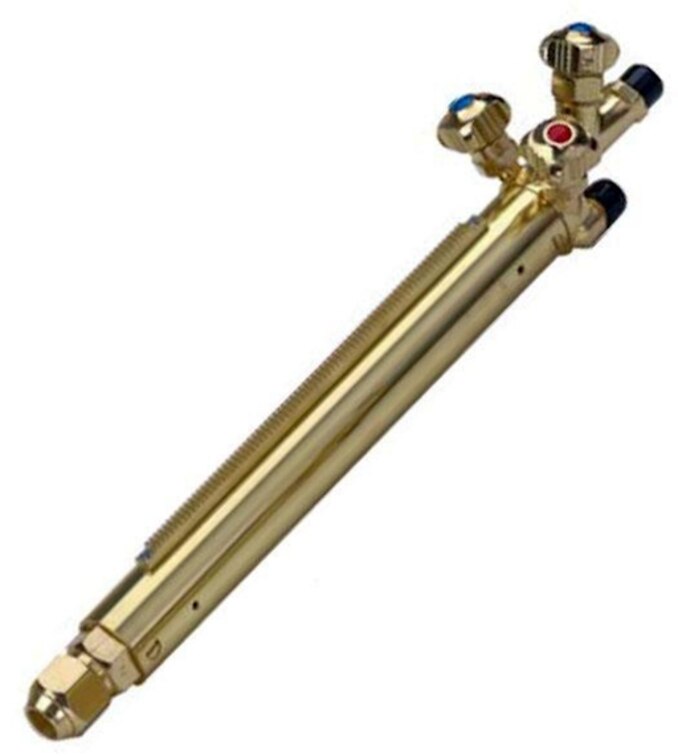
The Harris 198-2T is a mechanized oxy-fuel cutting torch for installation on a machine carriage, not a general-purpose hand torch. Its common configuration has a 90-degree cutting head, two hose connections and shared oxygen supply: one oxygen source serves both preheat and cutting functions, while the second hose carries fuel gas.
That plumbing is simpler, but it removes independent preheat-oxygen adjustment. A three-hose machine torch gives you separate control; that matters when you cut thick, highly conductive or difficult-to-preheat plate.
| Model | Configuration | Practical difference |
|---|---|---|
| Harris 198-2T | Two hoses, shared oxygen, 90-degree head | Simplified plumbing; no separate preheat-oxygen adjustment |
| Harris 198-2TE | Variant of the 198-2T family | Confirm the suffix-specific hose, head and mounting arrangement before substitution |
Treat Harris 198-2T versus 198-2TE as a specification check, not a name change. Ask for the manufacturer’s data sheet for the exact suffix, including hose count, fuel-gas approval, nozzle seat and mounting dimensions.
The torch will fit your cutting machine only when the carriage accepts its body and head geometry, the machine controls its travel, stand-off, preheat, pierce and cutting oxygen, and the gas connections match. Verify the approximately 21-1/4-inch overall length against the offered revision.
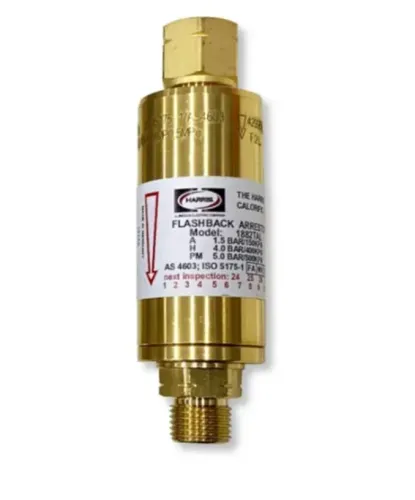
The torch body alone is not a complete station; you still need the correct 6290-series tip, regulators, hoses, valves, flashback protection and control interface.
Match the fuel, 6290 tip and pressure chart before cutting
A 6290 tip must match the fuel gas and the plate you intend to cut. Select from the Harris 6290-series machine cutting tips using the torch’s gas-pressure chart, then confirm the nozzle seat and tip part number before installation.
| Fuel gas | Tip-selection requirement | Pressure-setting rule |
|---|---|---|
| Acetylene | Use the acetylene-specific 6290 tip | Set preheat and cutting oxygen pressures from its chart |
| LPG | Use the LPG-rated 6290 tip | Use the LPG row; do not copy acetylene settings |
| Propane | Use the propane-rated 6290 tip | Set both regulators for the listed thickness range |
| Natural gas | Use the natural-gas 6290 tip | Follow the natural-gas pressure and consumption data |
| Propylene | Use the propylene-compatible 6290 tip | Apply only the chart values for that fuel |
Confirm compatibility for acetylene, LPG, propane, natural gas and propylene; similar-looking tips do not have interchangeable preheat orifices. The wrong tip can cause a weak preheat flame, backfire, excess dross or an unreliable pierce.
Read the chart for the installed tip and fuel, not just “198-2T.” Record the minimum and maximum recommended plate thickness, preheat pressure, cutting-oxygen pressure and cutting-oxygen consumption. A pressure copied from a three-hose setup may not work on a two-hose machine because valve arrangement and hose size change gas delivery.
- Correct 6290 tip and nozzle seat
- Fuel-specific part number
- Plate thickness within the chart range
- Oxygen and fuel regulator settings for that exact configuration
Set up, light and run the torch without losing cut quality
A clean setup begins at the gas connections, not at the arc of the flame. Keep oxygen-service parts free of oil and grease, then inspect the oxygen and fuel-gas inlet connections for damaged seats, threads or seals.
Match hose sizes, thread standards and regulator requirements to the torch, gas and machine instructions; never force an adapter or use an unapproved regulator.
1. Secure the 198-2T in the carriage and align the tip square to the plate. Set the machine’s stand-off distance from the Harris pressure chart and tip instructions.
2. Open each cylinder valve slowly, check for leaks, and purge the hoses separately into a safe, ventilated area with the torch valves held away from ignition sources. Do not interchange fuel-gas hoses or fittings.
3. Open the fuel valve slightly and ignite with a spark lighter. Add preheat oxygen gradually until the flame is neutral: a defined inner cone with no feather. A carburising flame has excess fuel; an oxidising flame has excess oxygen. Neither is the normal starting adjustment for clean cutting.
4. Allow the plate to reach piercing temperature while holding the specified pierce height. Starting too close invites molten splashback into the tip; starting too high delays piercing and weakens preheat.
5. Trigger cutting oxygen only after the pierce is through, then begin travel at the charted speed. Reduce speed only when the machine requires it; excessive speed leaves drag lines and incomplete separation.
6. Maintain the programmed stand-off distance and travel speed through corners and across the plate. The shared oxygen supply serves preheat and cutting functions in this two-hose arrangement, so it does not provide independent preheat-oxygen adjustment.
Read the cut, stop faults early and maintain the equipment
A correctly adjusted cut has a consistent kerf width, near-vertical drag lines, clean pierce-through and little dross adhesion. Top-edge melting points to excessive preheat or travel that is too slow; heavy, attached dross usually indicates incorrect speed, oxygen pressure or tip selection.
Incomplete penetration means the cut has failed, even if the torch severed the plate.
Inspect the cut after the first test piece, checking:
- Drag lines: evenly spaced and only slightly trailing, not deeply curved or widely separated.
- Kerf width and angularity: consistent from top to bottom and within the drawing or process specification.
- Dross: small, loose beads are easier to remove than a continuous fused shelf.
- Heat-affected zone: excessive width signals excess heat input.
A backfire is a pop followed by flame extinction or a brief flame snap into the tip. A flashback is more dangerous: the flame travels into the mixer, torch body or hose.
Close the gases using the machine’s shutdown procedure, isolate the torch and do not relight it until the tip, pressures, hose routing, valves and gas supplies have been checked.
Inspect for blocked orifices and uneven preheat, then perform nozzle cleaning and seat inspection with the specified tools; never enlarge an orifice. Flashback arresters and check valves reduce gas-mixing and flame-travel hazards, but they do not correct setup faults. Replace damaged hoses, and keep oxygen-service maintenance free from oil and grease.
Repeated popping disqualifies the torch from production use until a qualified technician clears it.
Decide whether the 198-2T is the right complete cutting station
A 198-2T is a practical choice when you need repeatable straight cuts on carbon-steel plate and already have a controlled carriage, correct stand-off, and machine sequencing for preheat, piercing and cutting oxygen. It is a machine torch, not a hand torch; buying the torch head alone does not create a complete cutting station.
The two-hose torch uses one oxygen supply for both preheat and cutting functions, plus one fuel-gas hose. That simplifies plumbing, but a three-hose torch comparison matters for thick, heat-conductive or difficult-to-preheat material because independent preheat-oxygen adjustment can improve control.
| Option | Strength | Trade-off |
|---|---|---|
| 198-2T | Repeatable mechanized oxy-fuel cutting | Limited independent preheat-oxygen control |
| Plasma | Fast cutting of thinner conductive plate | Different power, consumables and edge limits |
| Laser or mechanical cutting | High precision or cold cutting | Higher equipment cost or slower setup for heavy plate |
Your operating cost is not just gas:
- Price fuel and oxygen consumption at the required pressure and duty cycle.
- Add 6290-series nozzle replacement, nozzle life, cleaning and tip damage from slag.
- Count setup labour, carriage calibration, piercing time and scrap from poor settings.
- Compare the total with plasma, laser and mechanical cutting alternatives for your thickness and production volume.
Before purchase, ask Rahul Industrial Products or another supplier to confirm the 198-2T model, fuel approval, 6290 tip part number, regulator and hose sizes, flashback protection, mounting dimensions, valves and machine-control interface. Get the complete pressure chart in writing; two-hose settings are not interchangeable with a three-hose system.
Related products
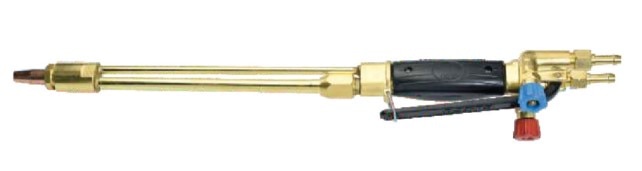 | Welding Consumables Precision Gas Cutting Torch for Industrial Metal Cutting The Straight Cutting Torch is a reliable and efficient gas cutting tool designed for... View product → |
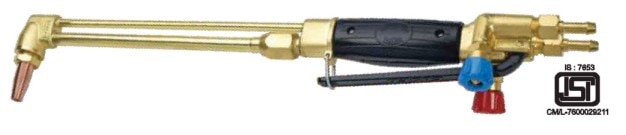 | Welding Consumables Precision Gas Cutting Solution for Industrial Applications A Blow Pipe Cutter is a high-performance gas cutting tool designed for accurate and... View product → |
Frequently asked questions
What is the difference between the Harris 198-2T and 198-2TE?
Confirm the exact suffix before ordering or installing the torch, then match its head, hose connections and machine-carriage requirements to your equipment documentation.
What must you match before using a Harris 198-2T?
Match the fuel gas, 6290 tip, oxygen pressures and plate thickness with the manufacturer’s pressure chart before lighting the torch.
Can the Harris 198-2T be used as a hand cutting torch?
No. The 198-2T is intended for mechanized cutting on a machine carriage rather than general-purpose hand cutting.
How do you protect cut quality during operation?
Set the torch height and alignment, establish the correct preheat flame, use the specified travel speed and inspect the cut face for slag, drag lines and incomplete penetration.