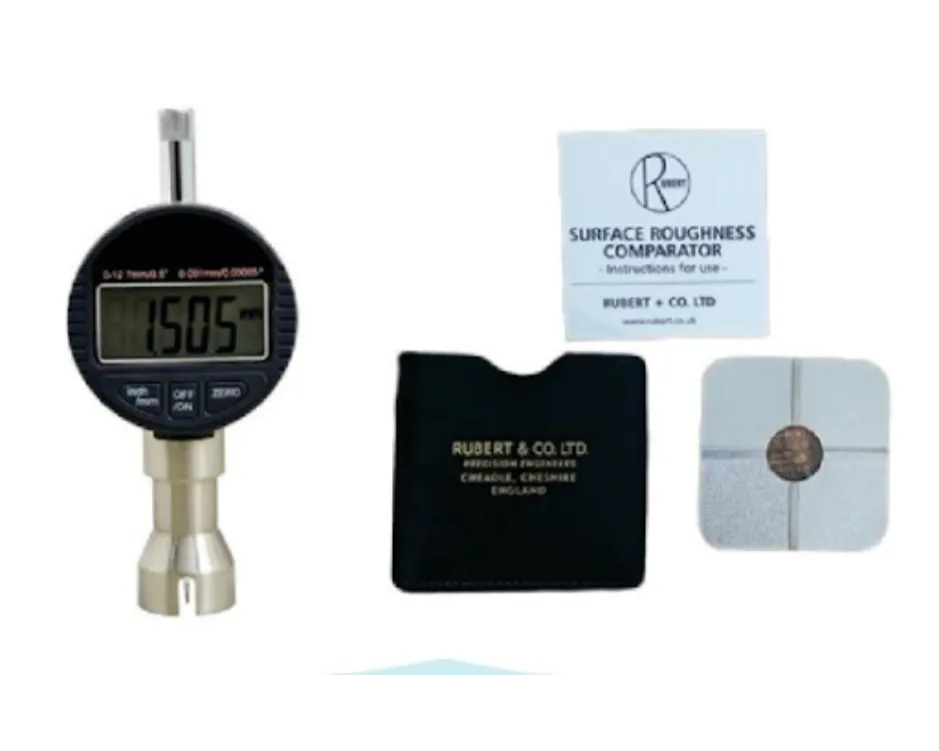
Industrial decisions often depend on measurements. Dimensions, temperature, pressure, humidity, coating parameters, and other values may influence inspection, maintenance, production, and quality-control activities. This makes the selection of a capable Measuring Instruments Dealer important for businesses that depend on reliable measurement.
Manufacturing companies in Pimpri, Maharashtra, should evaluate measuring instruments according to application requirements rather than simply choosing the lowest-priced device with the desired unit of measurement.
Define What Needs to Be Measured
The first question should always be straightforward — what parameter needs to be measured and why?
An instrument used for routine maintenance checks may have different requirements from one used for final quality inspection.
The measurement range, resolution, accuracy requirement, operating environment, frequency of use, and applicable quality procedure should all be established before purchasing.
Understand Accuracy and Resolution
Accuracy and resolution are related but different specifications.
Resolution generally describes the smallest change an instrument can display. Accuracy relates to how closely the indicated measurement corresponds to the expected reference value within stated conditions.
A device with a very fine display resolution is not automatically the most accurate instrument.
Understanding this difference helps buyers compare specifications more meaningfully.
Consider the Working Environment
Industrial measuring instruments may be used around dust, vibration, moisture, heat, machinery, and frequent handling.
An instrument suitable for a controlled laboratory may not necessarily be practical on a fabrication shop floor.
Buyers should consider durability, portability, display visibility, battery requirements, storage, and environmental limitations alongside measurement performance.
Review Calibration Needs
Where measurements influence product acceptance, process control, or quality documentation, calibration requirements can be particularly important.
Procurement teams should establish whether calibration documentation is required, how often the instrument needs verification, and what internal procedures apply.
These requirements should be clarified before purchase rather than after the instrument enters service.
Look for Application Based Guidance
Rahul Industrial Products works with manufacturing and engineering businesses requiring industrial measuring equipment alongside other equipment categories.
A useful dealer should be prepared to discuss the measurement task, expected range, environment, and required specifications before suggesting an instrument.
This is especially valuable when procurement personnel are sourcing equipment on behalf of production or quality teams.
Build a Better Instrument Register
Once instruments are purchased, businesses can maintain an organised register containing instrument identification, measurement range, department, calibration status where applicable, and inspection history.
This makes it easier to manage equipment across multiple departments.
Choosing a measuring instrument is ultimately a technical decision rather than a catalogue exercise. Buyers who clearly define the measurement requirement, compare relevant specifications, review calibration needs, and consider working conditions can make more informed purchases.
A knowledgeable dealer adds value by helping connect those application requirements with suitable instrument specifications while allowing the business's quality procedures to determine the final selection.
Keywords