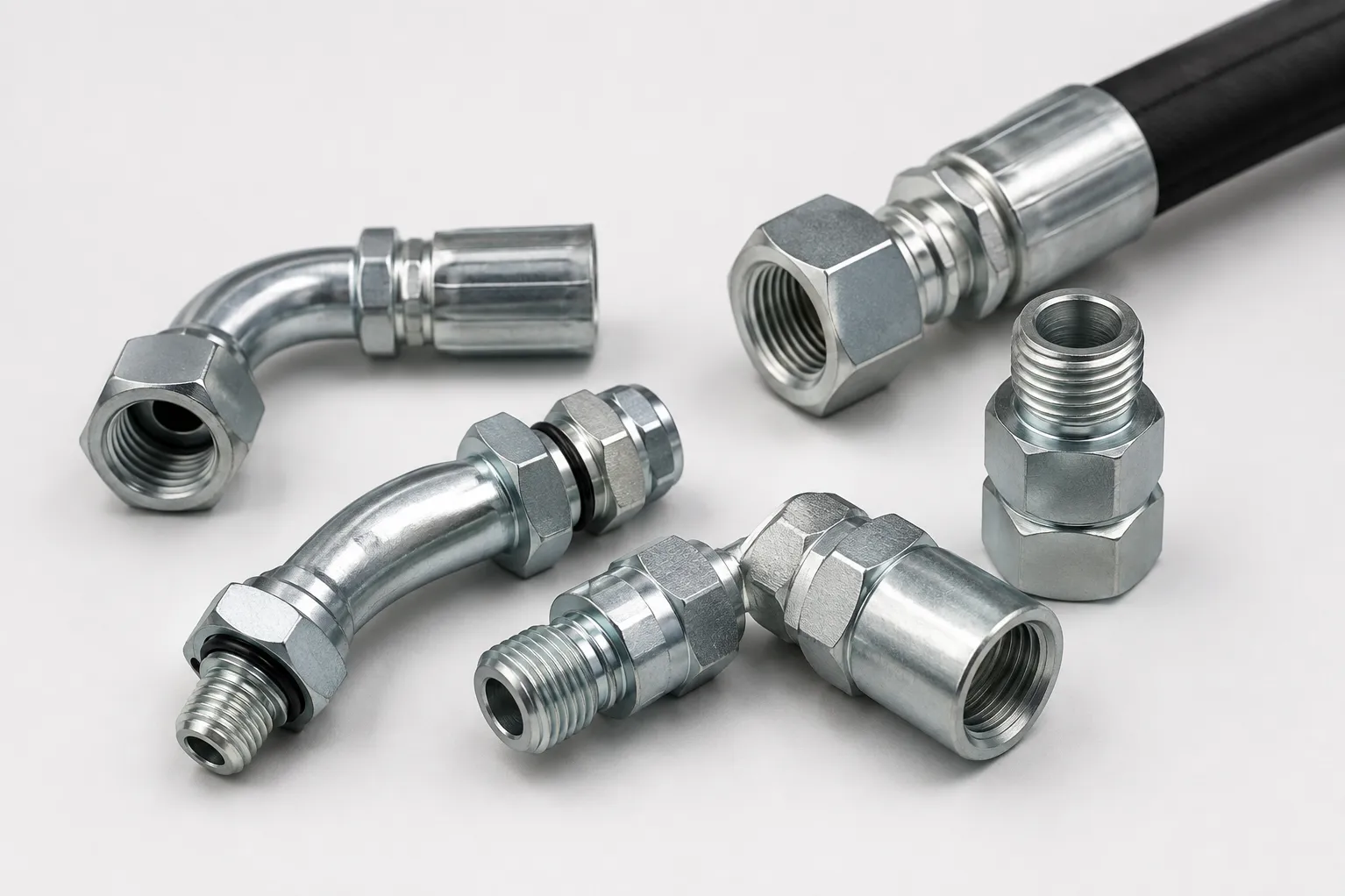
Hydraulic hose assemblies operate in demanding conditions where pressure, vibration, movement, temperature, and environmental exposure can affect performance. When fittings require replacement, choosing a dependable Hydraulic Hose Fittings Dealer can help maintenance teams obtain components suited to the intended hose and hydraulic system.
Engineering facilities in Chinchwad, Maharashtra, often depend on hydraulic machinery for production and material movement. Delays in identifying replacement components can therefore affect maintenance schedules.
The Dealer Requests Technical Information
A reliable provider should ask questions before recommending a fitting.
Relevant information can include hose specification, hose size, fitting configuration, connection type, operating pressure, equipment application, and existing assembly details.
A recommendation based solely on an unclear photograph may not provide enough certainty for a pressure-bearing hydraulic connection.
Compatibility Is Treated Seriously
Hydraulic hose and fitting compatibility should follow the applicable manufacturer specifications and assembly requirements.
Components should not be mixed casually simply because dimensions appear similar. Hose construction, fitting design, pressure requirements, and assembly method need to be considered together.
Pressure Requirements Are Clearly Understood
A suitable dealer should recognise that hydraulic fittings are part of a complete pressure-containing assembly.
Buyers need to communicate normal operating conditions and applicable equipment specifications. The selected hose assembly should be suitable for the intended system rather than chosen only according to physical dimensions.
Product Identification Is Systematic
Good identification normally involves more than checking thread diameter.
Depending on the connection, the process may require examining:
- Thread pitch
- Connection standard
- Male or female end
- Sealing surface
- Fitting angle
- Hose dimensions
- Material
- Existing equipment specification
This structured approach helps reduce mismatched components.
Availability Supports Maintenance Readiness
Industrial maintenance departments often benefit from identifying frequently replaced hose assemblies and fittings before a failure occurs.
Rahul Industrial Products serves manufacturing and engineering customers requiring hydraulic accessories and other industrial products. When recurring components are identified, procurement teams can discuss availability and maintain appropriate internal records for future requirements.
Documentation Adds Long-Term Value
Maintenance teams can label hydraulic assemblies or maintain a digital equipment register containing hose specifications, fitting types, installation location, replacement date, and equipment reference.
This reduces dependence on visual identification during future breakdowns.
Selection Should Support Safe Maintenance
Hydraulic systems can retain pressure and require appropriate isolation and servicing procedures. Inspection, replacement, and installation should be carried out by competent personnel following equipment and component manufacturer guidance.
A hydraulic hose fitting should never be considered an approximate replacement part.
The strongest sign of a reliable dealer is a specification-led approach. When the provider asks the right questions, checks compatibility, understands the application, and helps buyers identify suitable components accurately, maintenance teams gain a more dependable procurement process for critical hydraulic equipment.
Keywords