A surface comparator (also known as a surface roughness comparator or surface profile comparator) is a tactile and visual reference tool used to estimate the texture, roughness, or profile of a material's surface.
Unlike digital stylus profilometers that measure surface finish electronically, a surface comparator relies on direct comparative evaluation—allowing inspectors, machinists, and coating specialists to grade a surface by comparing it side-by-side against standardized reference specimens.
Types of Surface Comparators
Surface comparators fall into two main categories based on industry application:
1. Machining Surface Roughness Comparators
Used in machine shops and manufacturing to assess surfaces created by processes like turning, milling, grinding, shaping, or lapping.
- Design: Typically flat plates or pocket-sized booklets containing electroformed nickel or steel patches.
- Scale: Rated in microinches (\mu\text{in}) Ra or micrometers (\mu\text{m}) Ra, ranging from very smooth finishes (0.05\,\mu\text{m}) to rough machining (12.5\,\mu\text{m}).
2. Abrasive Blast Surface Profile Comparators
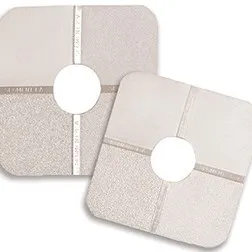
Used in protective coating and painting industries to measure the anchor pattern (peak-to-valley height) created on steel by abrasive blast cleaning.
- Design: Flat nickel plates, often square or circular with a central cutout aperture.
-
Grades: Divided into distinct segments calibrated for specific abrasive media:
- Grit Comparators (ISO 8503-2 / Segment G): Designed for angular grit blast profiles.
- Shot Comparators (ISO 8503-2 / Segment S): Designed for rounded steel shot blast profiles.
Keywords