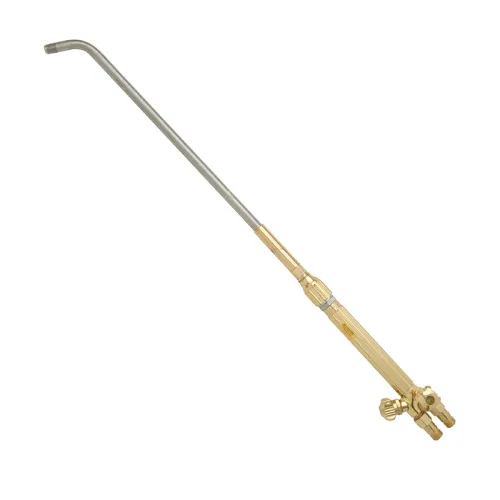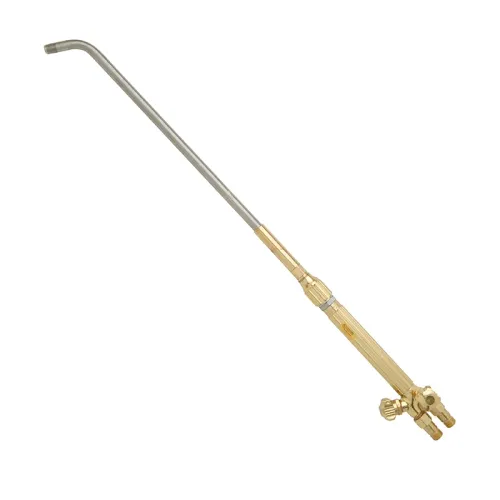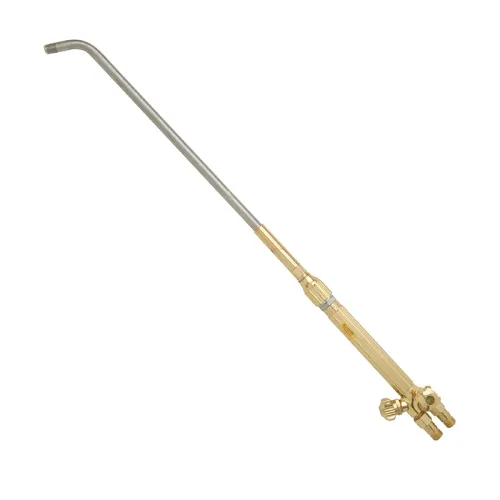
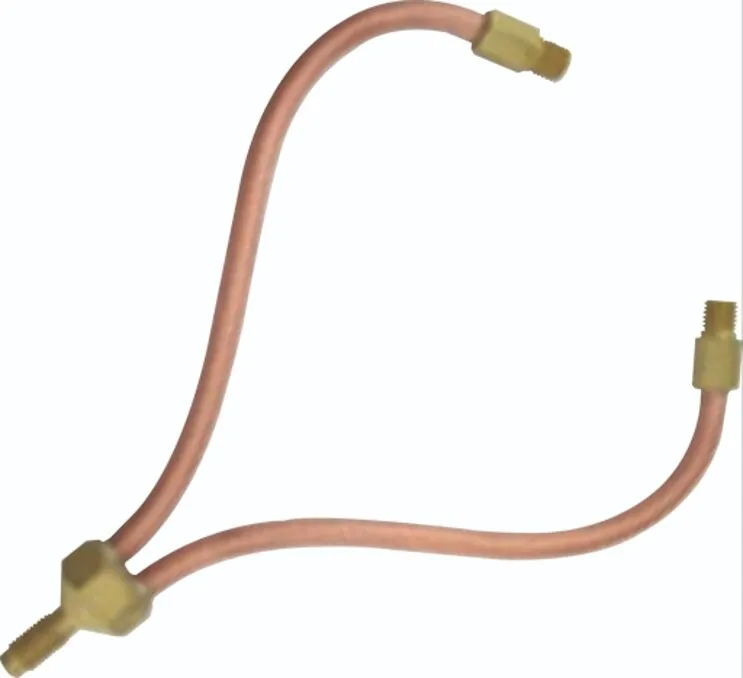
Choosing the Harris 15-5GB starts with its heat source: it is an air-acetylene brazing torch, not an oxygen-fuel torch. By matching its flame capacity to the joint mass, selecting the correct tip and fuel-gas equipment, and following a controlled brazing procedure, you can identify where it is efficient and where a different heating system is necessary.
Key takeaways
- Use the 15-5GB when air-acetylene heat suits the joint and field conditions.
- Match the torch tip, joint size and filler metal before lighting.
- Keep oxygen cylinders and regulators out of an air-acetylene setup.
- Check hoses, connections, ventilation and flame behavior before brazing.
What the Harris 15-5GB is—and what its air-acetylene flame changes
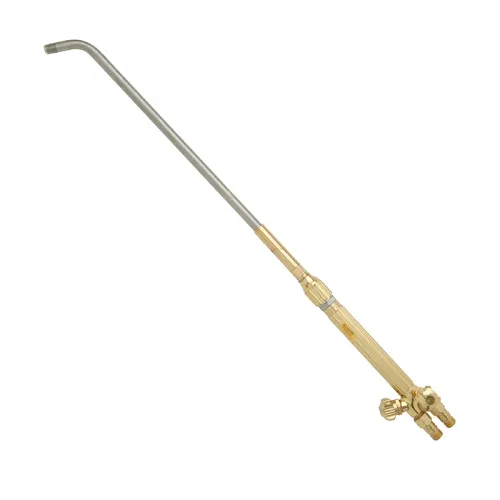
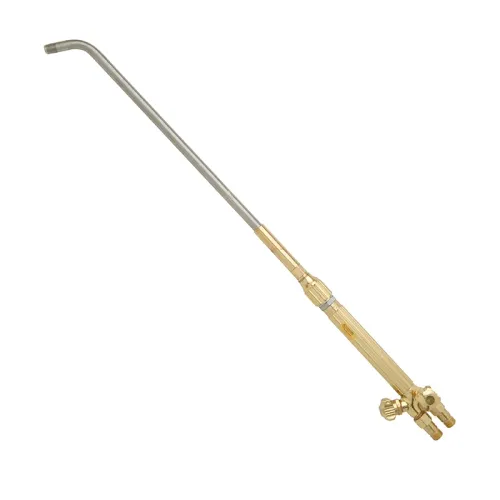
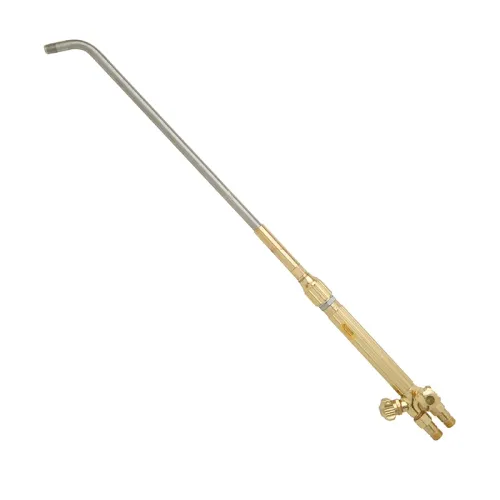
The Harris 15-5GB is an air-acetylene brazing torch, not an oxy-acetylene torch. It burns acetylene with combustion air drawn in at the tip, so the setup does not require an oxygen cylinder or oxygen regulator. Its air-entrained flame simplifies field work but spreads heat less intensely and heats more slowly than an oxy-acetylene flame.
The “B” designation points to a B-size acetylene-cylinder connection, commonly CGA 200 on North American equipment. Treat that as a connection clue, not a complete equipment specification. Check the actual inlet fitting on the supplied Harris Brazing Torch Model 15-5GB, along with the hose, adapter and regulator, before connecting it.
The regulator must be rated for acetylene, match the cylinder connection and hose, and supply the selected tip without pressure drop. A B connection does not prove that the regulator is safe or that the torch will receive enough gas.
The flame capacity is a warning against choosing this torch for:
- Large heat sinks or heavy-wall tubing
- Large copper fittings or steel components
- Production takt times requiring rapid soak-through
Air entrainment also makes heat input sensitive to operator distance, tip angle, wind and joint mass. Use fixtures and process controls for repeatable work; choose oxy-fuel or induction heating when concentrated, rapid heating is the real requirement.
Which brazing jobs suit the 15-5GB flame capacity
Use the 15-5GB for copper tube brazing and small-to-moderate joints where a broad air-acetylene flame can warm the work without extreme heat concentration. It suits brass fittings, HVAC refrigeration brazing, plumbing repair brazing and light maintenance, provided the joint mass and wall thickness allow practical heating time.
| Job condition | 15-5GB fit | Better choice when it does not fit |
|---|---|---|
| Copper tubing | Good for small-to-moderate tube and fitting joints | Use oxy-fuel for large diameters or thick walls |
| Brass fittings | Good when the fitting is compact and evenly heated | Use oxy-fuel when the fitting acts as a large heat sink |
| HVAC refrigeration brazing | Good for service repairs on accessible copper lines | Use a more concentrated process for heavy components or rapid heat-up |
| Plumbing repair brazing | Good for ordinary copper and brass repairs | Use oxy-fuel when surrounding metal draws heat away |
| Steel assemblies | Poor choice for substantial steel work | Use oxy-fuel; use a welding process for fusion welding |
| Production brazing | Suitable for low-volume repairs and maintenance | Use oxy-fuel or induction heating when cycle time requires rapid soak-through |
Large copper fittings, heavy-wall components and steel assemblies absorb heat faster than this air-entraining torch can deliver it. The result is prolonged heating, burned flux, oxidation or a joint that never reaches filler flow temperature.
Choose oxy-fuel for higher heat concentration; choose induction when repeatable, localized heating and short production cycles matter. The 15-5GB joins parts by brazing, not by melting the base metal.
Match the tip, joint and filler metal before you light the torch
Choose the tip from the joint’s heat demand, not from tube diameter alone. Brazing tip selection must account for tube diameter, wall thickness, fitting mass and base-metal alloy.
A tip that is too small prolongs heating and invites excessive flame dwell; one that is too large can overheat thin tubing, burn brazing flux, oxidize the joint and waste acetylene.
1. Confirm the joint geometry before choosing the tip. Clean, close-fitting parts need a controlled joint clearance so capillary action can draw filler metal through the full overlap. A heavy brass fitting on thin copper requires more heat than the tube wall alone suggests, while a large clearance can leave an uneven, poorly supported joint.
2. Match the filler metal’s melting range and flux to the base metals. Heat copper, brass or steel according to the filler manufacturer’s temperature range, keeping both parts uniformly hot. Use brazing flux only when the filler-metal and alloy combination requires it, then remove residue after cooling; trapped flux can corrode plumbing and HVAC assemblies.
3. Move the flame around the tube and fitting to establish an even heating pattern. Feed filler metal at the heated joint, not into the flame. Melting it on a cold joint creates a superficial fillet that can look complete while lacking capillary penetration and reliable strength.
If the assembly needs fusion welding, deep heat penetration or tightly repeatable production cycles, select a different process and heating system.
Set up, light and shut down the torch without creating a gas hazard
1. Inspect the hose for cuts, soft spots and damaged fittings. Check that the mixer is tight, the tip orifice is clean and undamaged, and no oil or grease has reached the gas equipment.
2. Confirm the acetylene regulator matches the cylinder, hose and selected tip. A B-size cylinder connection is commonly CGA 200, but verify the actual inlet fitting; the B-size connection alone does not prove correct pressure or flow. Never substitute an oxygen regulator or an unapproved fuel-gas setup.
3. Complete leak testing gas equipment with an approved leak-detection solution at the cylinder connection, regulator, hose ends and torch inlet. Bubbles indicate a leak. Do not use a flame, smell or listening alone to find escaping gas.
4. Purge the hose only as the torch instructions and site procedure direct, with ignition sources controlled and ventilation operating. Use acetylene only; propane, natural gas or MAPP-type fuel requires an approved tip and pressure arrangement.
5. Open the cylinder valve as specified, set the regulator, and light the torch with a spark igniter. Adjust the flame for steady combustion. Heat the joint broadly until the base metal reaches the filler’s working temperature; do not melt filler onto a cold surface.
6. For shutdown, follow the specified sequence: close the cylinder valve, let trapped gas burn off, close the torch valve, then release regulator pressure. If the flame pops, flashes back or becomes unstable, close the fuel supply, stop work, let the torch cool and inspect the tip, mixer, hose and connections before relighting.
Verify the complete 15-5GB setup before purchasing or qualifying the job
Before you pay for a 15-5GB setup, verify the parts that determine whether it can be connected and controlled safely. The “B” designation is commonly associated with a B-size acetylene-cylinder connection, often CGA 200 in North American equipment, but do not assume the listing includes that fitting.
- Confirm the supplied inlet fitting, hose length and acetylene hose compatibility. Identify every adapter rather than forcing mismatched threads.
- Match the regulator rating and outlet connection to the torch instructions and cylinder. Do not substitute an oxygen regulator.
- Confirm that the supplied tips cover the joint size, wall thickness and heating rate required. A missing tip can turn a suitable torch into a slow, overheated process.
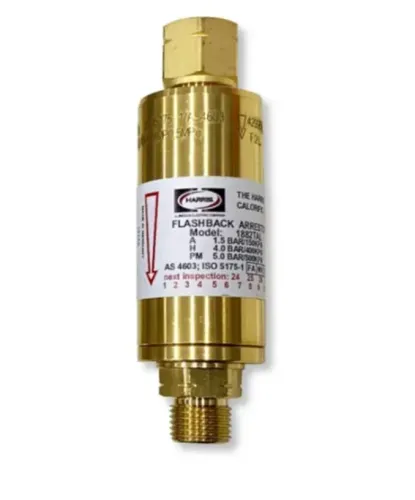
- Check flashback arrestor placement and whether the instructions, site rules or risk assessment require an arrestor, check valve or both.
- Plan cylinder handling: secure the cylinder upright, protect the valve, keep ignition sources away and move it with an approved cylinder cart.
- Provide ventilation, obtain the hot-work permit, assign a fire watch and remove or shield combustible materials.
- Specify brazing eye protection with the correct shade for the flame and task.
Ask Rahul Industrial Products to verify the torch inlet, hose, regulator, tips and gas-control accessories against your cylinder and site rules before ordering. For code-controlled piping, refrigeration or structural work, AWS B2.2, the governing code or the owner specification can require a qualified procedure, operator qualification and inspection.
The torch is only the heat source; it does not qualify the process. Automated or repeatable production also needs fixtures, controlled tip distance and angle, temperature limits and inspection.
Frequently asked questions
What is the Harris 15-5GB, and how does its flame differ?
The Harris 15-5GB is an air-acetylene brazing torch. It draws combustion air through the tip, so it does not need an oxygen cylinder or oxygen regulator. Its flame heats less intensely and more slowly than an oxy-acetylene flame.
Which brazing jobs suit the Harris 15-5GB?
It suits brazing work where the joint size, metal thickness and required heat fit the torch’s air-acetylene flame capacity. Compare the joint and filler-metal heating requirements before selecting it.
How do you match the tip, joint and filler metal?
Select a tip that can deliver enough heat for the joint without overheating surrounding metal. Confirm that the filler metal’s working temperature suits the base metals and the torch’s heat output.
How should you set up and shut down the 15-5GB safely?
Inspect the torch, tip, hoses and connections, provide ventilation, follow the manufacturer’s lighting sequence, and close the fuel supply after use. Check for leaks and keep ignition sources controlled throughout the setup.
What should you verify before purchasing or qualifying a 15-5GB setup?
Verify the torch model, included tip, acetylene connection, hose and regulator compatibility, fuel supply, ventilation, joint dimensions and filler-metal requirements before purchase or job approval.